
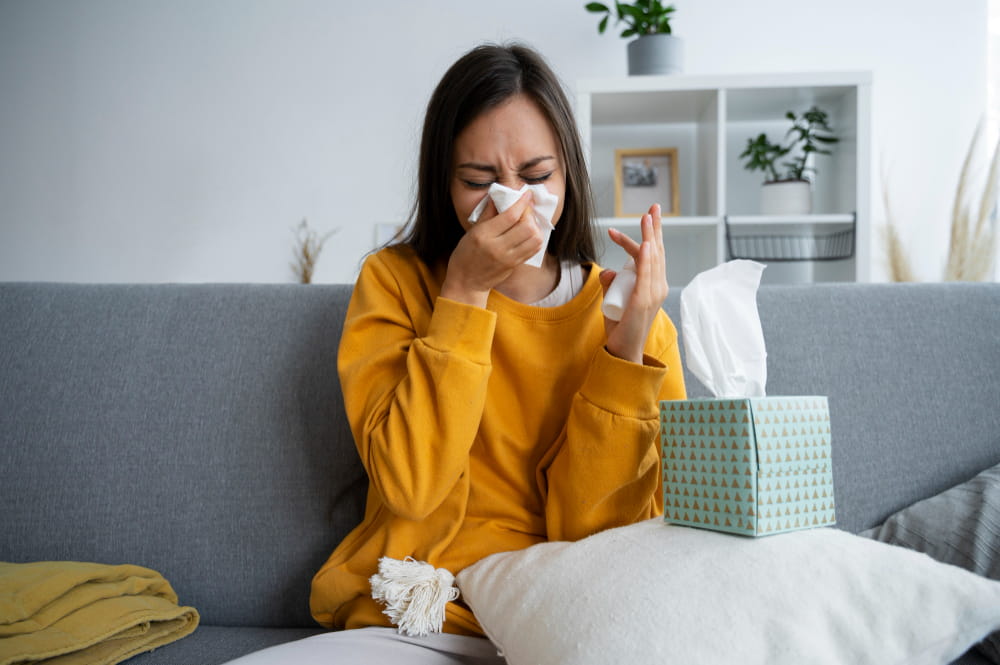
Spring is a beautiful time of year with flowers blooming and warmer temperatures. However, for many people, spring also brings along unpleasant allergies. These allergies can make everyday life uncomfortable and interfere with daily activities.
If you suffer from spring allergies, there are steps you can take to protect yourself and enjoy this season to its fullest. But let’s first understand why people get allergies at this time of year.
You may also like: The Amazing Benefits of Drinking Herbal Teas for Your Wellness
Spring Allergies: Causes and Triggers
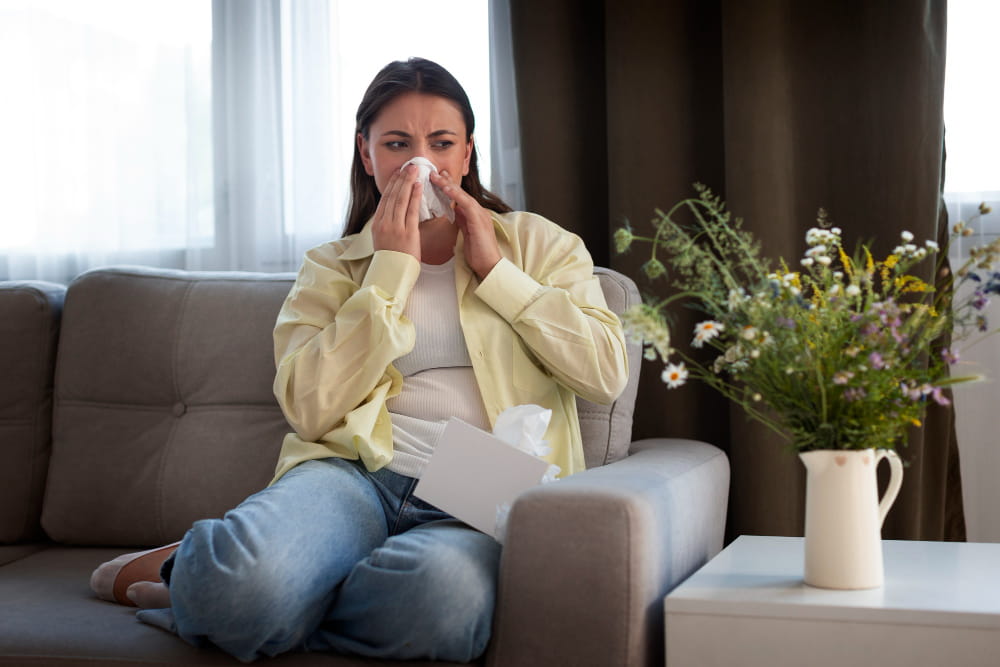
As temperatures rise in spring, many plants release pollen into the air that can cause allergies for sensitive individuals. This pollen can come from various sources such as trees, grass, and flowers. When inhaled, these tiny particles can irritate the lining of the nose and trigger an allergic reaction.
When your body detects pollen, it releases a chemical called histamine. This chemical causes the common symptoms of allergies, including watery eyes, sneezing, and a runny nose. For people with more severe allergies, these symptoms can be quite debilitating and affect their daily lives. That’s why it’s important to take preventive measures and manage allergies effectively.
How to Spot the Signs of Spring Allergies?
Now you may be wondering how to tell if symptoms are due to spring allergies. If you’re not sure if your symptoms are due to spring allergies, here are some important signs you should consider:
- Fatigue
- Runny nose
- Sneezing
- Headache
- Watery eyes
- Congestion
- Occasional breathing difficulty
Sometimes, fatigue and trouble sleeping can make things worse. These signs can appear quickly once pollen counts rise. But don’t worry, with the right approach, you can manage your allergy symptoms and still enjoy springtime activities.
Taking steps to prevent spring allergies from flaring up is crucial because it also helps you stay active and healthier throughout the season. When you manage your allergies, it’s easier to enjoy outdoor activities, exercise regularly, and maintain a good mood.
Top Spring Allergy Prevention Tips
Luckily, you can take several simple steps to reduce your allergy symptoms this spring. Here are some practical spring allergy prevention tips that will help you feel your best:
1. Track Pollen Counts Daily
The first thing is to make it a habit to check local pollen forecasts before planning your outdoor activities. Many weather apps and websites offer daily pollen count updates, making it easier to stay informed. Consider setting alerts for high pollen days so you get advance notice.
This way, you can plan to spend more time indoors when pollen levels peak. Or take extra steps to protect yourself if you do need to go outside, such as wearing a mask. By tracking pollen counts, you can enjoy your favorite spring activities while minimizing allergy symptoms.
2. Keep Your Windows Closed

It’s nice to open your home’s windows for some fresh air in the spring. However, this can also let pollen and other allergens in. If you notice that your allergies seem to be worse after opening the windows, try keeping them shut and running your air conditioner instead.
This will help filter out pollen and keep it from entering your home. Make sure your air conditioning system has clean, high-quality filters. Check and replace filters every 30-45 days for optimal protection throughout allergy season.
Clean filters help trap pollen, dust, and other particles, reducing allergy symptoms. If possible, choose filters labeled as “high-efficiency” or “HEPA,” as they are designed to capture smaller particles.
3. Change Clothes and Shower After Being Outdoors
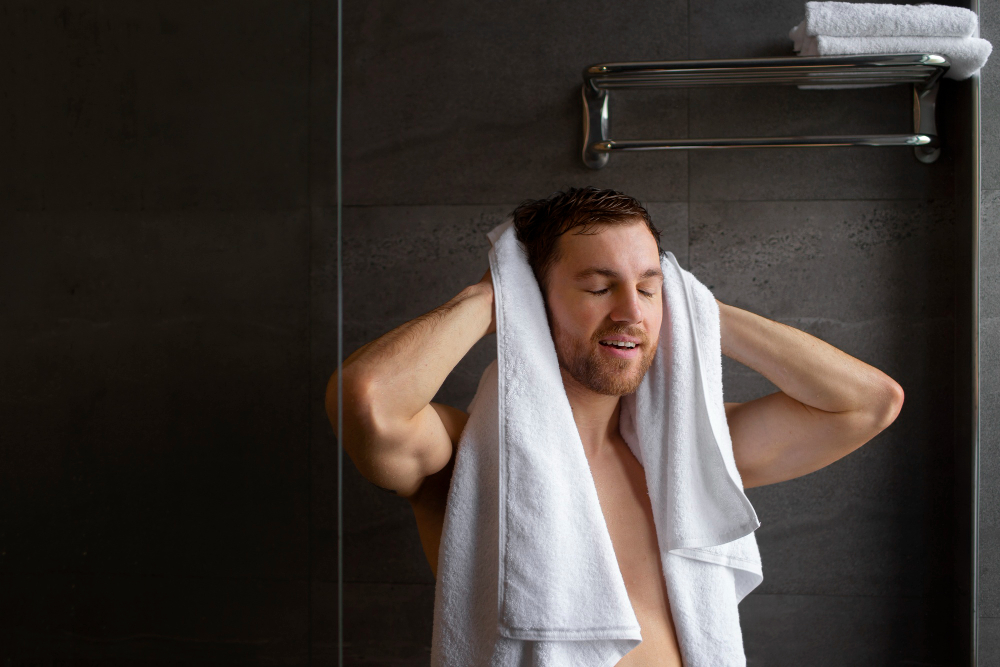
After spending time outdoors, it’s common for pollen to stick to your hair, clothes, and skin. To minimize exposure, make it a habit to change into clean clothes and take a quick shower as soon as you come inside. By showering after being outdoors, you remove allergens from your skin and hair right away.
This simple routine helps prevent pollen from spreading throughout your home or settling on furniture and bedding. This reduces your chances of sneezing or feeling itchy later in the day. It’s a smart habit to do before relaxing on the couch or getting into bed, so pollen doesn’t end up where you sleep.
4. Take Care of Pets
Pets can easily bring pollen into your home on their fur and paws after spending time outside. To reduce allergens, gently wipe down your pet’s fur and paws before they come indoors. Giving your pets more frequent baths during allergy season can also help limit the pollen they carry inside.
Don’t forget to wash their bedding regularly, too. Remember, a healthy pet means a healthier home for you.
Pro Tip: Consider designating a specific area in your home for your pet to sleep and play. Also, ensure regular grooming and vet visits to keep your pet healthy during allergy season.
5. Keep Your Home Clean
Keeping your living space clean is an important step in controlling allergens during the spring. Dust, pollen, and pet dander tend to settle on surfaces, furniture, and even in carpets. So, be sure to vacuum your home regularly to get rid of any lingering allergens.
Pay special attention to areas where dust often builds up, like underneath furniture and behind appliances. Regularly cleaning these hidden spots helps prevent dust and allergens from gathering in your home.
Change your bedding and pillowcases several times a week to remove pollen that may have collected. For extra freshness, use hot water (60°C or 130°F) when washing linens, which helps eliminate more allergens. For even more protection while you sleep, you can also invest in allergen-proof bedding covers.
This way, you can create a healthier environment indoors and keep your allergy symptoms under control.
6. Monitor Indoor Humidity
Did you know that the humidity levels in your home can affect your allergies? Yes, high humidity can cause mold growth, while low levels can dry out your sinuses and make them more susceptible to allergens.
To keep your home humidity levels in control, it’s best to aim for a range between 30% and 50%. This range is excellent for preventing mold and dust mites from growing, which often thrive in damp conditions. You can also easily monitor humidity levels with a digital hygrometer. This is an affordable and simple tool for measuring the humidity levels of your home.
7. Wash Your Face and Hands Frequently
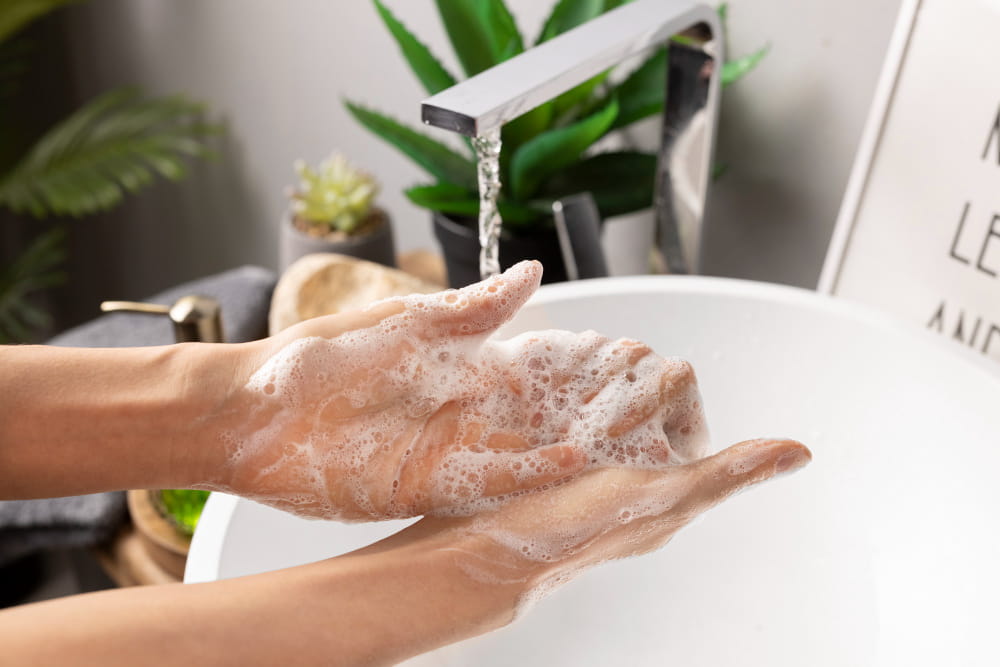
Another essential aspect of preventing allergies is keeping your face and hands clean. Washing your face and hands regularly helps remove allergens that may have come in contact with your skin from the environment.
Try to use mild soap and cool or lukewarm water, as this is gentle on sensitive skin and still effective at removing particles.
Helpful tips for staying clean and reducing allergens:
- Wash your hands before eating or touching your face to prevent allergen transfer.
- Gently rinse your face after outdoor activities.
- Use a clean towel to dry your face and hands, and change towels frequently.
- Remind kids and family members of the importance of frequent hand washing.
8. Dress Smart When Going Outside
What you wear can play a big role in protecting you from spring allergens. On high-pollen days, choose sunglasses to shield your eyes. Also, wear a wide-brimmed hat to keep pollen from landing on your hair and face.
Outdoor Protection Checklist:
- Wear sunglasses and a hat
- Use masks for yardwork or gardening
- Change clothes after coming indoors
9. Talk to Your Doctor About Medications
Most seasonal allergies can be managed with good habits and a few lifestyle adjustments. If you still struggle with allergy symptoms despite all these steps, don’t hesitate to talk to your healthcare provider.
Over-the-counter antihistamines, nasal sprays, or other allergy medications may be helpful. Your doctor can recommend the best treatment based on your symptoms and lifestyle.
So if your symptoms are severe, persistent, or affect your daily life, seek medical advice.
Conclusion
When it comes to spring allergies, prevention is key. While it’s natural to want to enjoy the warmer weather outdoors, it’s also important to take precautions against allergy triggers. By following all these precautions, you can protect yourself from spring allergies and enjoy the season to the fullest.
If you experience symptoms, remember to seek medical advice if they are severe or affect your daily life. With the right strategies and mindset, you can stay healthy and allergy-free this spring.
Frequently Asked Questions
Can spring allergies make you tired?
Yes, allergy symptoms can lead to poor sleep and fatigue. Managing allergies by following prevention tips and consulting with a healthcare professional can help improve your energy levels.
Are there foods that make spring allergy symptoms worse?
Yes, certain foods high in histamine can make allergy symptoms worse. These include:
- Fermented foods
- Aged cheese
- Alcohol
- Processed meats
- Tomatoes
- Citrus fruits
Try to avoid these foods during allergy season to minimize symptoms.
Are there natural remedies for spring allergies that really work?
Some people find relief using natural options like saline nasal rinses or taking local honey, but results vary.
How can I check my local pollen count?
You can check pollen counts using weather apps, websites, or local news stations. Many platforms provide up-to-date pollen forecasts and even alert you on high-pollen days.
How often should I clean my house during allergy season?
Try to clean surfaces and vacuum at least once or twice a week. Frequent washing of clothes, bedding, and pet areas can greatly reduce allergens indoors.
Related Reading: Simple Tips to Avoid Winter Colds Naturally

Ava Mitchell writes for healthyscope.net, focusing on seasonal health tips. Her articles offer practical advice to help readers stay healthy and feel their best throughout the year. Ava covers topics like allergies, colds, seasonal wellness, and skincare, making healthy living simple and accessible for everyone.