

Do you feel overwhelmed and stressed with your daily responsibilities? Is stress affecting your sleep quality and leaving you feeling exhausted? Stress can significantly affect both our physical and mental health, including our sleep. But with some simple changes and healthy habits, you can manage your daily stress and improve your sleep naturally.
Today, I’ll be sharing some practical tips that can help you reduce stress and get better sleep. These tips are backed by research and can be easily incorporated into your daily routine.
Related Reading: How to Create a Sleep-Friendly Environment
Why Managing Stress is Important for Sleep
First, let’s understand why managing stress is crucial for better sleep. Did you know that when we experience stress, our body produces hormones like adrenaline and cortisol that can disrupt our sleep patterns? Yes, that’s right.
When you’re stressed, your mind and body are on alert, making it harder to relax and drift off to sleep. This can lead to interrupted or poor-quality sleep, leaving you feeling exhausted and less productive the next day.
Here are some reasons why managing stress is important for quality sleep:
- Reduced anxiety: High levels of stress can increase your anxiety levels, which can make it difficult to fall asleep. By managing your stress, you can reduce anxiety and promote better sleep.
- Improved relaxation: When you’re not stressed, your body is able to relax more easily, making it easier to fall asleep.
- Better sleep quality: Yes, better stress management can actually lead to better sleep quality. By reducing stress, you can decrease sleep disturbances and wake up feeling more rested.
- Mental clarity: Lack of quality sleep due to stress can leave you feeling mentally foggy and drained. Managing your stress can improve your cognitive function and mental clarity.
- Increased energy: By improving the quality of your sleep, you can also increase your energy levels throughout the day. This can help you feel more motivated and productive in all areas of your life.
Now you know how it’s important it is to manage stress for better sleep habits. Don’t worry, with the right techniques and habits, managing stress can become a natural part of your routine. Here are some practical ways you can bring stress management into your daily life.
Manage Daily Stress for Better Sleep Naturally
1. Start Your Morning with Intention
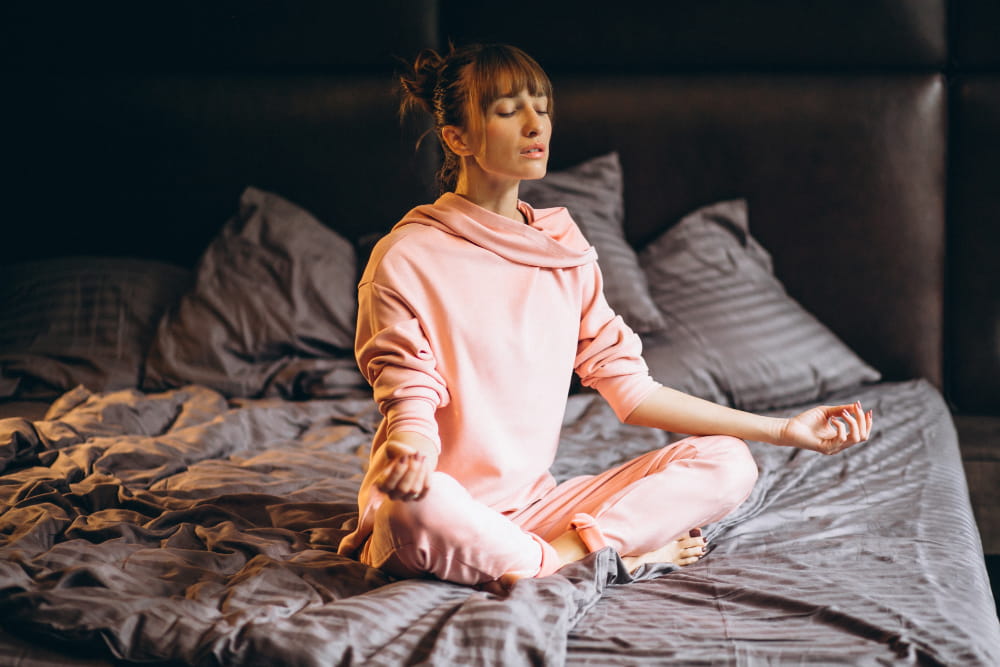
The first step to managing stress is setting a positive tone for the day. Start your morning with a few moments of intention setting. It means when you wake up, take a few deep breaths and visualize your day ahead.
Here’s an easy way to start your day on a positive note:
- Pause before getting out of bed. Take a minute to close your eyes, breathe slowly, and focus on your intentions for the day. This short moment can help you feel calm and ready.
- Set a positive intention. Choose a word or phrase that represents how you want to feel throughout the day. It could be “peaceful,” “energized,” or “present.” Repeat this word or phrase to yourself a few times before getting out of bed.
- Stretch your body. After sleeping for several hours, your body may feel stiff. Take a few minutes to stretch gently in bed or on a yoga mat. This will help improve blood flow and loosen up any tension in your muscles.
- Hydrate with warm lemon water. Drinking a glass of warm water with lemon can have numerous benefits for your health. Squeeze half a lemon into a cup of warm water and drink it before breakfast.
By starting your day with intention, you create a foundation of calm and confidence. This small change can make it easier to handle daily stressors and support a better night’s sleep later on.
2. Move Your Body During the Day

Moving your body is an easy way to reduce stress and get better sleep. Regular exercise helps you sleep better and decreases the time it takes to fall asleep. It also improves your mood and reduces anxiety, which makes it easier to relax at night.
If you’re new to exercise, don’t worry, there are plenty of beginner-friendly options to get started. You can try taking a walk during your lunch break, doing some gentle stretching before bed, or joining a beginner exercise class. Pick an activity you enjoy and that fits easily into your daily routine.
Even if you don’t have time for a full workout, you can still consider incorporating small movements throughout your day.
For example:
- Choose the stairs whenever possible instead of waiting for the elevator, such as at work or in shopping centers.
- Park your car slightly farther from your destination, whether it’s the office, grocery store, or elsewhere.
Remember, every little healthy step counts in a lifestyle. And as you continue to exercise, you may see improvements in your sleep quality and overall health.
Read More: How to Start Your Fitness Journey as a Beginner
3. Create a Calm Evening Routine

Winding down in the evening is just as important as starting your morning with purpose. A quiet, comforting routine helps your mind signal that it’s time to relax and get ready for sleep. Yes, create a routine that helps your mind and body let go of the day’s worries.
Here are some effective ideas you can add to your evening routine:
- Power down devices 30 minutes before bed. The blue light from phones and computers can make it harder for your brain to slow down. Try reading a book, listening to calming music, or enjoying a quiet hobby instead.
- Dim the lights. Lowering the lights in your home gently tells your body it’s time to rest. You can even try using a dim lamp or a few candles for a soothing effect.
- Write down your thoughts. If you often have a busy mind at night, keep a small journal by your bed. Writing down your thoughts and worries can help calm your mind so you can fall asleep more easily.
These methods help your body relax and signal that it is time to rest and sleep.
4. Create a Daily Gratitude Routine

We all have stress in our lives, but managing it in a healthy way is crucial to promoting better sleep. One way to do this is by incorporating a daily gratitude routine into your day. Making gratitude part of your nightly routine gives your mind a chance to shift away from daily worries.
You might reflect on positive moments from your day, write down a few things you appreciate, or even share them with someone close to you. Over time, this simple habit can help you feel calmer at night, making it easier to unwind and drift off to sleep feeling content and at peace.
5. Practice Mindfulness and Meditation

Mindfulness and meditation are effective methods for reducing daily stress and improving sleep quality. By practicing mindfulness, you learn to focus on the present moment and let go of unwanted thoughts or worries. This can help quiet the mind before bed and promote a sense of calmness for better sleep.
Meditation also has similar benefits, promoting relaxation and reducing anxiety. Incorporating a daily meditation routine can help reduce stress, promote inner calm, and improve sleep quality.
If you feel like stress is affecting your sleep, taking a few moments each day to practice mindfulness or meditation can help you feel more relaxed and have a healthier sleep routine.
My Experience
When I first started looking for ways to manage stress, I honestly wasn’t sure where to begin. At times, falling asleep felt impossible, as my mind would race with worries from the day. However, after reading about the benefits of mindfulness and meditation, I decided to give these practices a try.
At first, I found it hard to focus, but I reminded myself that small steps could make a big difference. Gradually, I noticed a sense of calm each night as I set aside a few quiet minutes before bed. Over time, I began falling asleep more easily and waking up feeling truly refreshed.
Because of these positive changes, I now encourage anyone struggling with stress or sleep to consider starting a simple mindfulness or meditation routine. It may seem challenging initially, but with patience and consistency, these habits can truly improve your well-being and help you get the restful sleep you deserve.
Conclusion
Managing your daily stress is one of the most effective ways to enhance your sleep quality. When you take active steps to cope with stress, your mind finds it easier to relax at night. Over time, you will notice that you can sleep better and wake up feeling more refreshed.
Remember, learning to manage stress is a gradual process that requires both time and dedication. So, be patient with yourself and keep practicing these natural techniques to help improve your sleep.
If stress and sleep problems persist despite your best efforts, it is important to seek professional help.
Frequently Asked Questions
How can I naturally manage stress to improve sleep?
One of the best ways to manage stress is by creating a calming bedtime routine. For example, taking a few minutes to practice deep breathing, gentle stretching, or mindfulness meditation can help your mind relax. Over time, these techniques make it easier for you to unwind and fall asleep more peacefully.
What foods or drinks should I avoid before bedtime to reduce stress and sleep better?
It’s a good idea to avoid caffeine, alcohol, and heavy meals in the evening, as these can interfere with your sleep. Instead, choose a light snack like yogurt or a banana, and sip herbal teas such as chamomile, which can have a soothing effect.
Try to avoid caffeine, alcohol, and heavy meals in the evening, as these can easily disrupt your sleep and keep you awake.
Can regular exercise help reduce stress and improve sleep?
Yes, getting active during the day supports both your physical and mental health. Even a short daily walk outdoors can reduce stress and make it easier to fall asleep at night.

Noah Bennett offers helpful, easy-to-follow advice on better sleep habits. His articles are simple, practical, and designed to help you enjoy more restful nights. Noah focuses on practical tips you can use immediately to improve sleep and well-being. In his free time, he enjoys peaceful walks and reading a good book.