

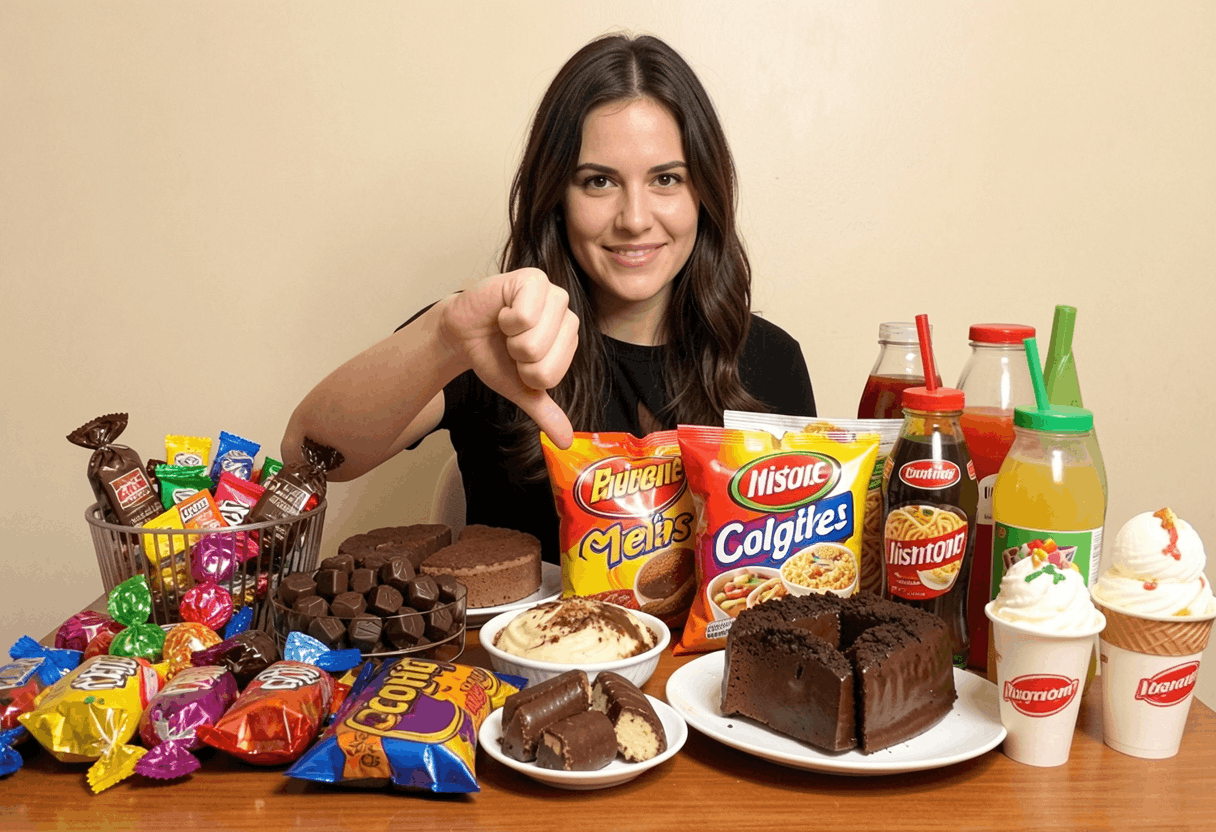
Do you often eat unhealthy snacks when you are hungry? Are you trying to avoid unhealthy snacking but finding it difficult to do so? Unhealthy snacking is a common habit.
Many people reach for chips, sweets, biscuits, fried snacks, or sugary drinks when they feel hungry, tired, bored, or stressed. This might not seem like a big deal at first, but it can hurt your health in the long run.
In fact, snacks can be part of a healthy lifestyle when you choose them wisely. The real goal is to understand how to avoid unhealthy snacking and replace it with simple, realistic habits that you can follow every day.
Today, I’ll share some tips to avoid unhealthy snacking and help you maintain a healthy lifestyle. But let’s first understand why we reach for unhealthy snacks and the impact they can have on our health.
You may also like: Simple Benefits of Jeera Water in Daily Life
What Is Unhealthy Snacking?
Unhealthy snacking means eating foods between meals that give your body very little nutrition. These snacks are often high in added sugar, salt, unhealthy fats, or refined flour. They may taste good for a short time, but they usually do not keep you full for long.
Common unhealthy snacks include:
- Candy and chocolate bars
- Sugary biscuits and cakes
- Chips and fried snacks
- Sugary drinks and energy drinks
- Fast food between meals
- Instant noodles or processed packaged snacks
- Ice cream or sweet desserts too often
Of course, eating these foods once in a while is not the main problem. The issue begins when they become part of your daily routine. Therefore, the aim is not to fear food or follow strict rules. Instead, the goal is to build balance and make healthier choices more often.
Why Do We Crave Unhealthy Snacks?
But before we can change the habit, we need to understand why it’s happening in the first place. Most people do not snack only because they are hungry. Many times, snacking is linked to emotions, daily routines, poor planning, or the environment around them.
For example, you may reach for snacks while watching TV because your mind connects screen time with eating. Similarly, you may crave something sweet after a stressful day because your brain wants quick comfort.
Here are some common reasons people snack too much:
| Reason for Snacking | What It May Look Like | Better Response |
|---|---|---|
| Real hunger | Your stomach feels empty between meals | Eat a balanced snack with protein or fiber |
| Boredom | You eat while scrolling your phone | Drink water first or take a short walk |
| Stress | You crave sweets or salty foods | Try deep breathing or another calming activity |
| Poor meal planning | You skip meals and then overeat snacks | Prepare simple meals or snacks ahead of time |
| Easy access | Junk food is always nearby | Keep healthier snacks visible instead |
| Lack of sleep | You feel low on energy and crave quick food | Improve your sleep routine and choose filling foods |
As you can see, unhealthy snacking is not only about willpower. Often, it is about habits, emotions, and surroundings. So, when you improve your routine, better choices become much easier.
Start With Balanced Meals
A balanced meal is one of the most effective ways to reduce unhealthy snacking because it helps keep your energy and hunger levels more stable. When a meal is too light, mostly made of refined carbs, or missing protein and fiber, you may feel hungry again within a short time. Then, it becomes much easier to reach for chips, sweets, or other quick snacks instead of making a thoughtful choice.
A balanced meal usually includes:
- A protein source, such as eggs, beans, lentils, yogurt, fish, chicken, tofu, or nuts
- A fiber-rich carbohydrate, such as oats, brown rice, whole wheat bread, potatoes, or fruits
- Vegetables for vitamins, minerals, and fiber
- Healthy fats, such as avocado, olive oil, seeds, or nuts
For example, a breakfast of only white bread and tea may fill you for a short time, but you might feel hungry again soon. Instead, you could add a boiled egg, a bowl of yogurt, some fruit, or oats to make the meal more filling. This gives your body steadier energy and makes it easier to avoid grabbing chips, biscuits, or sweets later in the day.
Do Not Skip Meals
Skipping meals may seem like a quick way to eat less, but it often leads to more snacking later. When you stay hungry for too long, your body starts looking for fast energy. This is when chips, sweets, and fast food can become harder to resist.
Instead, try to eat meals at regular times. If your schedule is busy, keep simple foods ready. For example, you can prepare boiled eggs, fruit, yogurt, nuts, or a homemade sandwich. This way, you have a better option available when hunger comes.
Also, try not to wait until you are extremely hungry. When hunger becomes too strong, it is harder to make a calm and thoughtful food choice.
Keep Healthy Snacks Easy to Reach
Your surroundings can strongly affect what you eat each day. If chips, cookies, or sweets are sitting on the counter, you may grab them without thinking. However, if fruit, nuts, yogurt, or other healthier snacks are easy to see and ready to eat, making a better choice becomes much easier.
You can keep these snacks at home, work, or school:
| Instead of This | Try This Healthier Option |
|---|---|
| Chips | Roasted chickpeas, air-popped popcorn, or nuts |
| Candy | Fresh fruit or a few dates |
| Sugary biscuits | Whole grain crackers with peanut butter |
| Ice cream | Greek yogurt with fruit |
| Soda | Water with lemon or unsweetened herbal tea |
| Fried snacks | Boiled eggs, hummus with vegetables, or homemade trail mix |
This does not mean you can never enjoy your favorite snacks. However, keeping healthier options nearby helps you make better choices most of the time.
Drink Water Before Snacking
Sometimes, thirst can feel like hunger. Because of this, you may snack when your body actually needs water. So, before eating a snack, drink a glass of water and wait a few minutes.
If you are still hungry after that, choose a proper snack. But if the craving goes away, you may have simply been thirsty.
To make drinking water easier, keep a bottle near you during the day. You can also add lemon, mint, or cucumber if plain water feels boring. This small habit can help reduce unnecessary snacking and support better daily hydration.
Learn the Difference Between Hunger and Cravings
Hunger and cravings are not the same. Hunger usually builds slowly and can be satisfied with many different foods. Cravings often come suddenly and are usually focused on one specific food, such as chocolate, chips, or sweets.
A helpful question to ask is:
“Would I eat a healthy meal or snack right now?”
If the answer is yes, you are probably hungry. If the answer is no and you only want one specific junk food, it may be a craving.
When it is a craving, pause for a moment. You can drink water, move around, brush your teeth, or wait ten minutes. Often, the craving becomes weaker when you do not act on it right away.
Plan Your Snacks Ahead of Time
Planning snacks ahead helps you avoid rushed choices when you are hungry, tired, or busy. Choose your snack before cravings start so you have a healthier option ready at home, school, work, or while traveling.
For example, you can plan one or two snacks for the day, such as:
- Morning snack: fruit with yogurt
- Evening snack: nuts and tea
- School or work snack: a homemade sandwich or roasted chickpeas
- Late snack, if needed: warm milk or a banana
In addition, you can prepare small snack boxes in advance for busy days. For example, pack fruit with nuts, yogurt with seeds, boiled eggs, roasted chickpeas, or whole grain crackers with peanut butter. This is especially helpful if you spend long hours at work, school, or outside the home. When you carry a balanced snack with you, you are less likely to depend on vending machines, convenience stores, or fast food when hunger appears.
Avoid Eating Directly From the Packet
Eating from a large packet makes it easy to lose track. You may plan to eat only a little, but before you notice, most of the packet is gone.
A better habit is to take a small portion in a bowl or plate. Then, put the packet away. This simple step gives your brain a clear limit and helps you eat more mindfully.
Also, try to eat slowly. When you eat too fast, your body does not get enough time to feel full. But when you slow down, you enjoy the food more and often feel satisfied with less.
Manage Stress in a Healthier Way
Stress is one of the biggest reasons people snack on unhealthy foods. After a long day, food can feel comforting. However, using snacks as the main way to handle stress can turn into a repeated cycle.
Instead, try to build other calming habits. For example:
- Take a short walk
- Listen to relaxing music
- Write down your thoughts
- Stretch for five minutes
- Talk to someone you trust
- Practice slow breathing
- Take a short break from screens
At first, these habits may not feel as easy as eating snacks. However, over time, they can help you feel more in control and reduce stress-related eating.
Get Enough Sleep
Poor sleep can increase cravings. When you do not sleep enough, your body may look for quick energy from sugary or salty foods. You may also feel less motivated to prepare healthy meals or snacks.
Try to build a simple sleep routine. Go to bed at a regular time, reduce screen use before sleep, and avoid heavy meals very late at night. Better sleep can support better food choices the next day.
Do Not Keep Too Much Junk Food at Home
If unhealthy snacks are always in your kitchen, it becomes harder to avoid them. This is especially true at night or during stress. Therefore, try to reduce how much junk food you buy.
You do not need to remove everything at once. Start slowly. For example, buy fewer packets of chips or smaller portions of sweets. Then, add more healthy snacks to your shopping list.
A simple rule is this: make healthy snacks easy and make unhealthy snacks less convenient. This one change can make a big difference in your daily routine.
Use the 80/20 Approach
Healthy eating does not need to be perfect. If you try to avoid every snack forever, you may feel restricted. Then, you may give up quickly.
A more realistic method is the 80/20 approach. This means you make healthy choices most of the time while still allowing some flexibility. For example, if you eat balanced meals and healthy snacks during the week, enjoying a favorite treat once in a while is okay.
This approach can help you stay consistent without feeling guilty. It also makes healthy eating feel more natural and easier to maintain.
Simple Daily Habits to Avoid Unhealthy Snacking
Here are some easy habits you can start today:
- Eat a filling breakfast
- Keep fruit or nuts nearby
- Drink enough water
- Do not skip lunch
- Use a plate instead of eating from packets
- Keep junk food out of sight
- Sleep on time
- Plan snacks before leaving home
- Choose protein and fiber-rich foods
- When a craving hits, take a moment to pause and ask yourself if you’re truly hungry or just bored, stressed, or tired.
These habits may look small, but they can work well when you repeat them daily. Start with one or two habits first. Then, add more as they become easier.
When Should You Get Extra Help?
For most people, unhealthy snacking improves with better routines, balanced meals, and planning. However, if you feel unable to control your eating, experience guilt after eating, or find yourself eating due to strong emotions, seeking professional guidance is a crucial step. It is highly recommended to speak with a doctor, a registered dietitian (RD), or another qualified healthcare provider
Do you know that getting support is not a weakness. In fact, it can help you understand your eating patterns better and make safer, more personal changes.
Related Reading: How to Reduce Sugar in Your Diet Naturally
Conclusion
Avoiding unhealthy snacking is not about strict dieting or giving up foods you enjoy. It is about building simple habits you can maintain, such as eating balanced meals, drinking enough water, planning snacks, and keeping healthier options nearby. Over time, these small steps can make better choices feel easier and more natural.
Progress is easier when you keep it manageable. Instead of changing every habit at once, start with one small step, such as carrying a healthy snack or drinking water before you eat. Once that feels natural, add another habit.
Healthy snacking works best when it feels realistic, not forced. By understanding your cravings and keeping better options ready, you can make healthier choices without pressure or guilt.
Frequently Asked Questions
How can I stop late-night, unhealthy snacking?
Eat a balanced dinner with protein, fiber, and healthy fats to help you stay full longer. After that, follow a simple evening routine, such as drinking water, brushing your teeth, or turning off screens earlier.
What should I eat when I crave junk food?
Choose a filling snack with protein, fiber, or healthy fats, such as yogurt with fruit, a boiled egg, nuts, roasted chickpeas, or vegetables with hummus. If you still want junk food, serve a small portion on a plate instead of eating straight from the packet.
Is it okay to snack if I am trying to eat healthier?
Yes. Snacking can fit into a healthy eating routine when you choose nutritious foods and keep portions reasonable. Good options include fruit, yogurt, nuts, whole-grain toast, or vegetables with hummus.
What daily routine helps prevent unhealthy snacking?
Eat balanced meals on time, keep a healthy snack ready, and drink water before reaching for food. Keep chips, sweets, and other tempting snacks out of sight so healthier choices are easier.

Mia Collins shares easy, practical ways to help you enjoy a happier, healthier life. She’s passionate about health and wellness and loves turning big ideas into simple steps you can use every day.
Mia Collins believes that true health and wellness are achievable for everyone, regardless of their age or current lifestyle. That’s why she strives to provide accessible and practical advice that anyone can incorporate into their daily routine.
