

Have you set fitness goals for yourself a while ago, but are having trouble sticking to them? This is a common issue that many beginners face when starting on their fitness journey.
When we initially begin our fitness journey, we are often motivated and excited to see results. But as time goes on and the initial enthusiasm wears off, staying consistent with fitness goals can become challenging. But remember, small steps taken every day usually lead to big changes over time.
Why is Consistency Important in Fitness?
Sticking to your fitness routine is very important because it allows you to develop healthy habits. When you stick to your routine, you give your body time to adapt, grow stronger, and become healthier. Regular exercise helps you build habits that last a lifetime, and it’s these habits that will ultimately lead to reaching your fitness goals.
Being consistent with fitness isn’t just about physical changes. It can also boost your mental health, increase your confidence, and reduce stress levels.
When you see the benefits of regular exercise, like more energy or a better mood, it becomes easier to keep going. Remember, small actions done steadily will always add up to big improvements. That’s why consistency is so important if you want lasting results.
Tips for Staying Consistent with Your Fitness Goals
1. Set Realistic and Achievable Goals
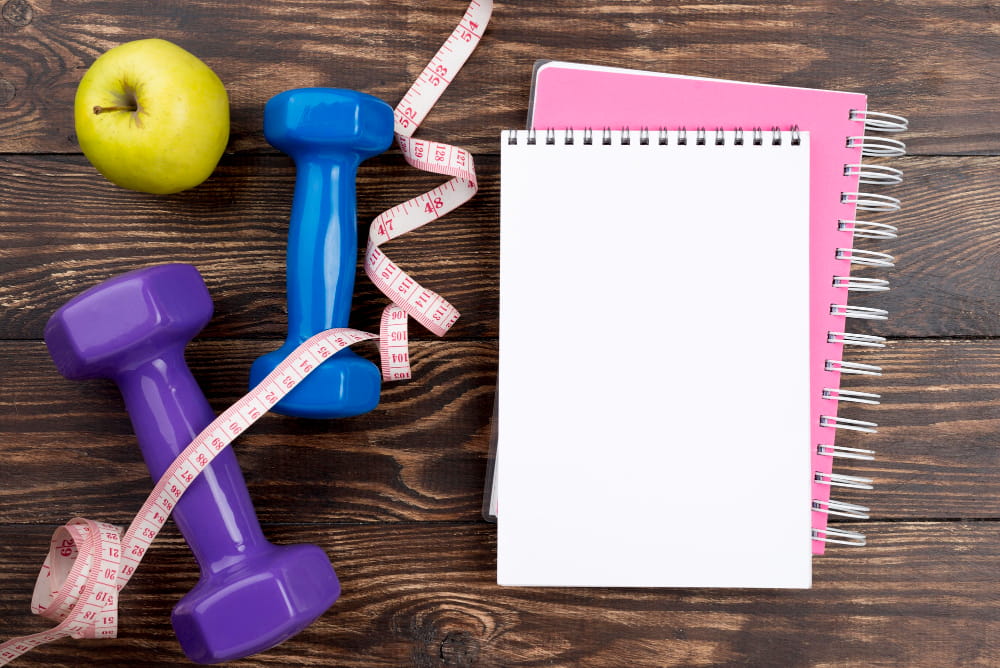
Before starting your fitness journey, you need to set specific and achievable goals for yourself. These could be short-term or long-term, but make sure they are attainable with your current lifestyle and fitness level. Sometimes, people set very big goals and end up disappointed when they don’t reach their targets right away.
If you rarely exercise, starting with daily hour-long workouts may not be realistic. Instead, try working out a few times a week with shorter durations. For example, if you want to run 5 kilometers, start by jogging short distances a few times a week.
Once you build up your stamina and become comfortable with the routine, you’ll find it easier to increase your workout intensity and duration gradually. This way, you can avoid burnout and slowly build up your routine.
| Goal | Starting Point | Gradual Progression |
|---|---|---|
| Run 5 kilometers | Jog short distances (e.g., 1 km) a few times a week | Increase distance by 0.5 km each week until reaching 5 km |
| Strength training | Begin with light weights (e.g., 5 lbs) and simple exercises | Try adding more weight or repetitions every 1-2 weeks. |
| Yoga for flexibility | Practice beginner poses for 10-15 minutes daily | Gradually extend sessions and attempt intermediate poses |
| Build cardio endurance | Start with brisk walking or short cycling sessions | Gradually increase your speed, duration, or resistance. |
These are some examples to help you start achieving your fitness goals in a systematic way. Choose a routine that feels right for you, and remember that it’s okay to adjust it as you get stronger.
2. Create a Simple, Flexible Workout Schedule
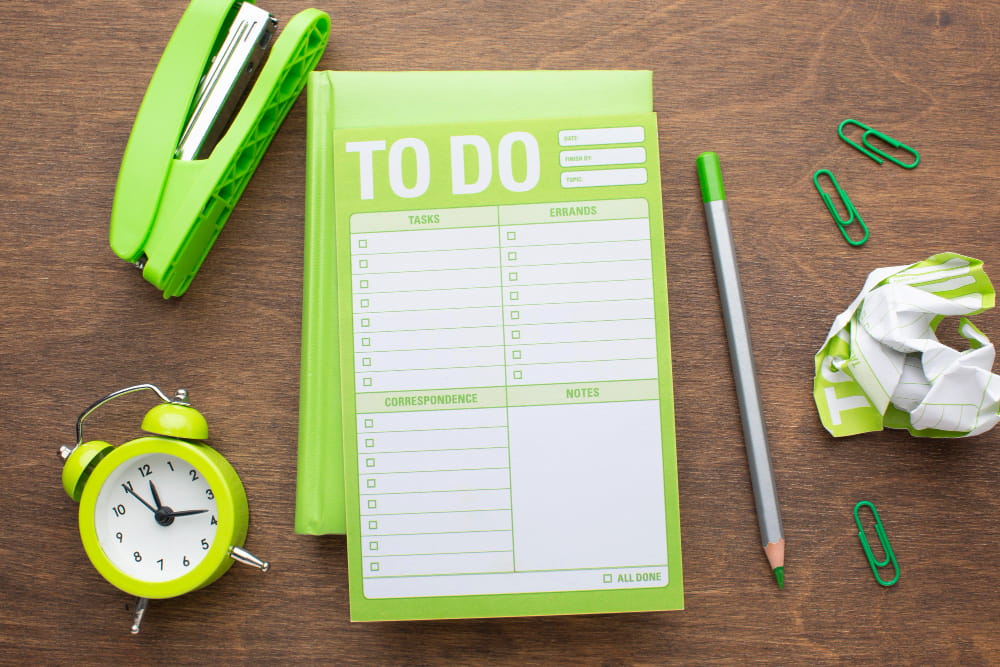
The key to staying consistent with fitness goals is to create a schedule that fits your life. It’s normal to have busy days in your routine, but by creating a flexible plan, you’re less likely to skip exercise altogether. Maybe you work out in the mornings on weekdays, but on the weekends, you prefer exercising in the afternoon.
Remember, even 20 to 30 minutes of exercise a day makes a difference over time. So don’t feel like you have to commit to long, intense workout sessions every day.
For Example:
| Day | Suggested Workout | Time Commitment |
|---|---|---|
| Monday | Morning yoga or stretching | 20-30 minutes |
| Tuesday | Squats, push-ups | 30 minutes |
| Wednesday | Brisk walk or jog | 20-40 minutes |
| Thursday | Planks, crunches | 20-30 minutes |
| Friday | Light weights or resistance bands | 30 minutes |
| Saturday | Outdoor activity (e.g., cycling, hiking) | 40-60 minutes |
| Sunday | Rest or gentle stretching | 10-15 minutes |
3. Make Fitness Fun

Probably the most challenging aspect of sticking with a fitness routine is boredom. That’s why it’s important to mix things up and make exercise fun.
Switch up your routine or try new activities every few weeks to stay engaged and avoid boredom. For example, you might join a fitness class or try a new sport. You can also invite a friend for a walk outdoors.
Dancing to your favorite songs at home is also a fun way to stay active. Mixing different exercises, like swimming one week and cycling the next, keeps your mind and body engaged. The more you enjoy your workouts, the easier it will be to stay consistent and reach your fitness goals.
4. Track Your Progress Regularly

The next important tip for maintaining consistency in your fitness journey is to track your progress regularly. Performance tracking helps clarify your progress and motivates you to continue your fitness journey. When you record details like your workout time, intensity, and weight lifted, you can see how far you have come. This not only keeps you accountable but also helps you refine your routine if something isn’t working.
Here are a few easy ways to track your fitness progress:
- Keep a fitness journal to note workouts and milestones
- Use fitness apps to track exercises and set reminders
- Take regular progress photos to see visible changes
- Record measurements or weight if it keeps you motivated
- Note changes in your energy or mood after workouts
Constantly tracking progress builds confidence by showing how far you have come.
5. Team Up with a Workout Partner or Group

A great way to stay motivated and consistent with your fitness goals is to find a workout partner or join a support group.
Having someone else to work out with can provide added accountability and make exercising more enjoyable. You can also share progress with each other and celebrate milestones together. A support group can also provide a sense of community and encouragement during your fitness journey.
There are many ways to find a workout buddy or support group, such as:
- Through social media
- Joining a fitness class
- Starting a fitness challenge with friends or coworkers
- Joining online fitness communities
Having a workout partner can give you the motivation you need to continue with your fitness goals.
6. Adjust Your Goals As Needed
Sometimes, you may find that your initial goals no longer fit your current needs. That’s perfectly okay. Review your goals regularly and make adjustments as your schedule or interests change. By being flexible, you’re more likely to keep going in the long run. Also, you may even discover new activities or challenges that excite you and help you stay on track.
7. Celebrate Your Success
Recognizing your successes is an important part of learning how to stay consistent with fitness goals. No matter how big or small your fitness progress, taking time to celebrate helps you feel proud of your efforts. This positive reinforcement can motivate you to keep going and make consistent progress towards your goals.
Must Read: 9 Common Fitness Mistakes Beginners Should Avoid
Conclusion
Staying consistent with your fitness goals is about building habits that fit your life and make you feel good. These habits should be sustainable and bring you joy, rather than causing stress or guilt.
Don’t forget to set realistic goals, track your progress, and find an accountability partner for support. When facing challenges or setbacks, be patient and kind to yourself.
Frequently Asked Questions
How often should beginners work out?
Start your fitness journey by working out 2 to 3 times a week in the early days. This will help your body adapt to new exercises. Focus on building habits and learning good form rather than pushing yourself too hard from the start.
What happens if I sometimes skip a workout?
Don’t feel pressured if you miss a session, as everyone has busy days or unexpected obstacles. The important thing is to refocus and get back to your routine with your next planned workout.
Do I need fancy equipment to get fit?
No, you don’t need fancy equipment to get started with fitness. Many effective exercises, such as walking, jogging, bodyweight squats, push-ups, and stretching, require little to no equipment.
When is the right time to switch up my workout routine?
Try to change up your routine every 4 to 6 weeks to challenge your body and avoid plateauing. This can mean switching up the intensity, duration, or types of exercises you do.
You might also need: 7 Essential First-Time Gym Tips for Beginners
Alex Carter is a friendly fitness writer who offers simple, practical tips in our Beginner Fitness Guide. His trustworthy, easy-to-follow advice helps you start your fitness journey with confidence and less stress.
Alex simplifies fitness by breaking down exercises into clear steps, helping you safely build healthy habits at your own pace. He shows that fitness is enjoyable, accessible, and safe, especially for beginners.