

Have you been feeling fatigue, restlessness, or muscle pain lately? These feelings may indicate that your body is asking for more water. Many of us don’t realize we’re dehydrated until we start feeling tired or sluggish. But keep in mind that staying well hydrated is the foundation of a healthy lifestyle.
Today, I will discuss the important signs that may indicate that your body needs more water. By paying attention to a few key signals, you can learn to recognize when your body is thirsty.
You may also like: 5 Beginner Tips for a Positive Lifestyle
Why is Staying Hydrated So Important?
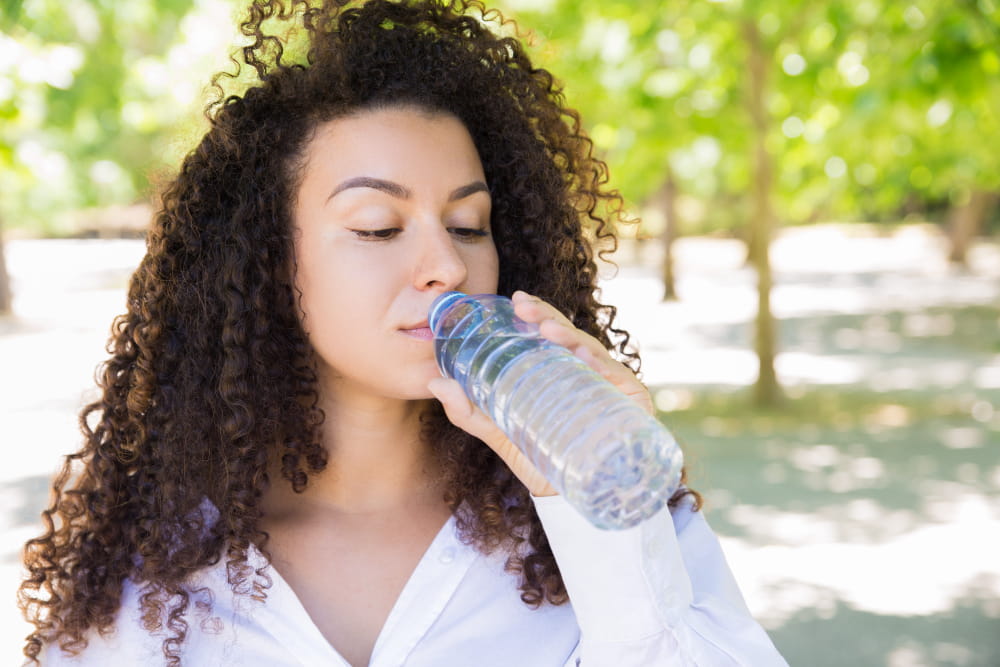
Staying hydrated is crucial to your overall well-being for many reasons. Water helps every organ in our body function well. When you drink enough water, you’re helping your body perform at its best in several ways, including:
- Regulating body temperature
- Flushing out toxins
- Aiding in digestion
- Transporting nutrients to cells
- Maintaining healthy skin
- Lubricating muscles and joints
- Improving brain function
This means that staying hydrated is crucial for proper bodily function and overall health. Even though almost everyone knows how important water is, many people still neglect to drink water daily.
When you don’t get enough water, you can start to feel a little off or even face serious health problems. This is why it’s so important to drink plenty of water every day to feel your best.
Common Signs You Need More Water
Dehydration doesn’t always manifest immediately as extreme thirst. Your body has subtle ways of letting you know when it needs more water. Here are some clear signs you might notice:
1. Frequent Thirst
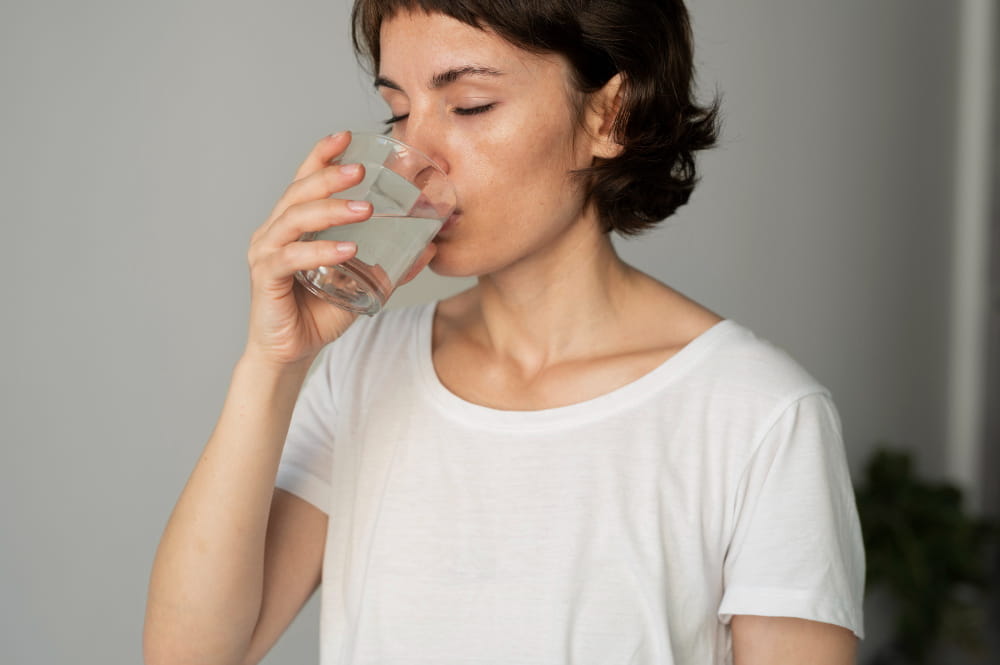
The first and most obvious sign of dehydration is feeling constantly thirsty. Thirst is your body’s natural reminder that it’s running low on fluids. When you feel thirsty, your body is sending you a clear signal that it’s already mildly dehydrated.
However, it is normal to feel thirsty when you wake up or after exercising. But frequent thirst without a clear reason usually means you need to boost your water intake.
2. Dark-Colored Urine
The color of your urine can be a quick indicator of your hydration level. If you notice that your urine is becoming dark yellow or amber in color, it’s a clear signal to up your water intake. Yes, dark-colored urine is a clear signal that your body may not be getting enough fluids.
When your body is dehydrated, your kidneys try to hold onto as much water as possible, which can result in darker urine. On the other hand, well-hydrated urine should be a pale, straw-like yellow color. If you notice your urine getting darker, try drinking a glass or two of water and see if it lightens throughout the day.
Keep in mind that certain vitamins and foods can affect color. But most of the time, dark urine is a sign that your body is asking for more water. Paying attention to this simple signal can really help you monitor your hydration levels.
3. Dry Skin and Lips
Dry skin and chapped lips are also common indicators of dehydration. Your skin and lips are usually the first to show when your body isn’t getting enough water.
Without proper hydration, your skin may begin to look dull, flaky, or feel rough to the touch. In some cases, you may also notice itchiness, redness, or more pronounced lines on your skin. Similarly, your lips may become dry, cracked, and even start peeling.
This can be uncomfortable and even painful, especially when exposed to extreme temperatures or wind. So stay hydrated by drinking plenty of water to maintain a healthy, glowing complexion.
4. Headaches or Lightheadedness

Dehydration can also cause headaches or lightheadedness. When your body is lacking fluids, it can affect your brain’s function and cause these symptoms. This is especially common for those who live in hot climates or participate in strenuous physical activities.
When you don’t get enough fluids, your brain tissue can temporarily shrink, leading to a headache. This is known as a dehydration headache. Dehydration can also reduce blood flow and oxygen reaching your brain, making you feel dizzy or light-headed.
So if you start to feel a dull pain or your head feels heavy, try sipping water before reaching for other remedies.
5. Digestive Issues

Did you know that dehydration can impact your digestive health? Digestive issues can be an important signal that your body is running low on water. Yes, your digestive system needs water to run smoothly. If your body is dehydrated, you may notice digestive problems such as constipation, bloating, or harder stools than usual.
Water plays a key role in breaking down food and moving waste smoothly through your digestive tract. If your bowel movements are irregular, drinking more water is a simple, natural way to support your digestive health.
6. Dry Mouth and Bad Breath
The most obvious sign of dehydration is a dry mouth or throat. If you are dehydrated, your body will be unable to produce enough saliva to keep your mouth hydrated. A lack of saliva in the mouth can lead to the growth of harmful bacteria and bad breath.
You might also notice a strong or sour taste that doesn’t go away with brushing. If you notice persistent dry mouth or bad breath, try increasing your water intake.
7. Fatigue and Lack of Energy
Feeling tired is a common sign of dehydration that many people overlook. When your body lacks adequate water, it can’t transport nutrients and oxygen as efficiently, leading to sluggishness and tiredness throughout the day. This can make everyday tasks feel more exhausting and reduce your overall productivity.
Your body needs water to produce energy and for cells to function properly. When you’re dehydrated, your energy levels can drop, making it difficult to complete tasks and stay focused. Yes, even if you sleep 8 hours, you can still feel tired if you are not properly hydrated.
The best way to prevent this is to stay adequately hydrated throughout the day.
8. Joint Pain

Did you know that dehydration is also associated with joint pain? Our joints need a constant supply of moisture to stay lubricated and function properly. When dehydrated, the cartilage in our joints can become dry and brittle. This can lead to increased friction and joint discomfort, especially during physical activity.
Staying hydrated is an effective way to support your joints and prevent pain. So make it a habit to drink water regularly to keep your joints healthy and lubricated.
9. Hunger Signals

Hunger is a natural and necessary bodily signal that tells us when to eat. However, with our busy and often distracted lives, we may not always pay attention to these signals.
Did you know that sometimes what we perceive as hunger is actually our body telling us it needs more water? Yes, thirst and hunger cues can often get mixed up in the brain. This can lead you to reach for a snack when your body is actually asking for a glass of water.
This is a great tip to keep in mind, especially if you find yourself feeling hungry again shortly after a meal. Before taking your next meal, consider having a glass of water and waiting about 15 minutes. This simple pause allows your brain to catch up with your body’s needs. You’ll be surprised how often you realize you were just thirsty, not hungry.
How Much Water is Enough?
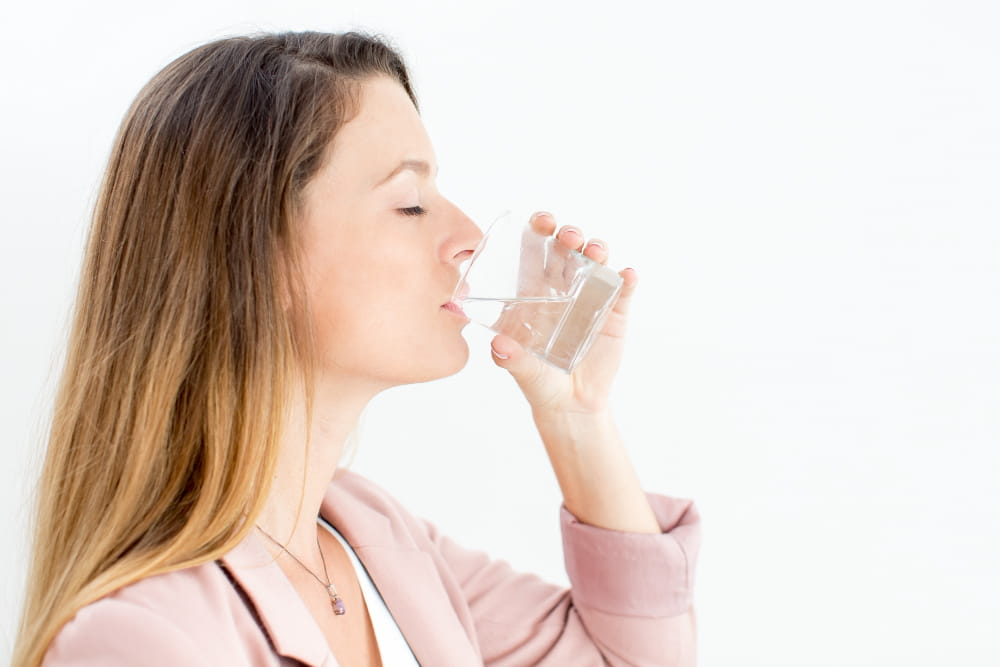
You may have heard the classic recommendation to drink eight glasses of water a day. But the truth is that everyone’s water needs are different because they depend on factors like age, daily activity level, climate, and diet.
As a general guideline, most people benefit from drinking about 2 to 2.5 liters, or about 8 to 10 glasses, of water per day. Instead of focusing on a set number, adopt the habit of drinking water regularly at regular intervals throughout your day. This natural habit helps you stay hydrated without having to count every single glass.
Who is Most at Risk for Dehydration?
Although anyone can become dehydrated, some people are at higher risk, so it’s important for them to be mindful of their water intake.
- Children and infants have higher water needs based on their body weight.
- People with certain medical conditions, such as diabetes or kidney problems, must be especially careful.
- As people age, their brains may not be as good at sensing dehydration and sending thirst signals.
- Conditions like diabetes, kidney disease, and certain heart problems can increase the risk of dehydration.
- People who exercise regularly or work hard may be more susceptible to dehydration.
So if you fall into one of these groups, be extra proactive about your water intake.
When Should You Seek Medical Advice?

You can usually handle mild dehydration by simply drinking more water. But if you start to see signs that don’t go away, like:
- Extreme thirst,
- Dry mouth
- Very little or no urine output
- Cconfusion
- Dizziness,
- Rapid heartbeat
- If you are ill or caring for a child
These may be symptoms of a more severe dehydration and you should seek medical advice right away.
Conclusion
As you can see, staying hydrated is a simple and powerful way to enhance your health and well-being. Making a few small changes to your daily routine can help you drink enough water and prevent dehydration.
Don’t forget that your body is made up mostly of water and needs to be hydrated regularly to function optimally. You can easily make sure your body needs water by paying attention to your body’s signals through thirst and other signs of dehydration.
Read More: Building a Healthy Morning Routine: Why It Matters
Frequently Asked Questions
How can I tell if I am drinking enough water each day?
Look for symptoms like light-colored urine, steady energy, and smooth skin. Thirst is also a good sign that your body needs more water.
Does tea, coffee, or juice count toward my daily water intake?
Many drinks, including tea and coffee, contribute to your fluid needs. However, water is the healthiest choice because it’s free from sugar and additives.
Why do I feel tired when I don’t drink enough water?
Feeling tired or dizzy is often one of the first signs of dehydration. Dehydration can disrupt your body’s balance and reduce blood flow to the brain, leaving you feeling tired and lightheaded.
Should I drink more water when I exercise or sweat?
Yes. When you do high-intensity exercise or if you are in a warm environment, you should drink more water because your body will sweat more.

Mia Collins shares easy, practical ways to help you enjoy a happier, healthier life. She’s passionate about health and wellness and loves turning big ideas into simple steps you can use every day.
Mia Collins believes that true health and wellness are achievable for everyone, regardless of their age or current lifestyle. That’s why she strives to provide accessible and practical advice that anyone can incorporate into their daily routine.