

Do you notice your energy dip as the temperature rises? This feeling is common, especially when summer brings heat and humidity that can leave you tired and thirsty. The good news is, your food choices have a big impact on how you feel during this season. By picking the right foods, you’ll support natural energy, stay comfortable, and better enjoy everything summer has to offer.
Not everyone realizes how crucial diet is when it comes to beating the heat. Hydrating, nutrient-rich foods can refresh your body, keep you energized, and help defend against common summer complaints. You’ll not only feel better in the moment, but you’ll also be giving your body what it needs to perform at its best.
Throughout this article, you’ll find the best foods to eat during the summer season, smart ways to stay hydrated, easy recipe ideas, and wellness tips you can try right away. Every suggestion is practical and informed by current expert research and experience.
You may also need: Heat Stroke Prevention Tips for Summer Safety
Why Does Summer Diet Matter?
When days get longer and temperatures soar, your risk of dehydration rises, and you may start to feel more drained than usual. This happens because your body works harder to manage its temperature, especially during outdoor activities or even just walking in the sun. Sweating is the body’s natural way to cool itself down, but it also increases your need for fluids, vitamins, and minerals.
That’s why a summer diet focused on hydration and high-water foods is essential. Not only does it help you stay cool and keep your energy steady, but it can also prevent common heat-related issues. Making informed choices about what you eat and drink allows you to enjoy all the best things about summer, with fewer worries.
Hydration Tips for Summer Wellness
Staying hydrated is at the heart of summer wellness. While drinking plenty of water is essential, there are also other creative ways to boost your fluid intake:
- Begin every morning with a large glass of water, adding lemon, mint, or cucumber for a little boost.
- Always have a reusable water bottle nearby, especially if you’re spending time outside or staying active.
- Include foods in your meals that are naturally high in water, such as watermelon and cucumbers.
- Make homemade fruit-infused water for a touch of natural flavor.
- Enjoy frozen treats like fruit popsicles or chilled grapes as a fun and healthy snack.
- Pay attention to early dehydration signals, such as headaches or sluggishness. If you spot these signs, pause and drink up.
These habits make it much easier to meet your hydration needs and feel your best throughout the day.
Related Reading: How to Know if Your Body Needs More Water
Top 10 Best Foods to Eat in the Summer Season
Are you looking for healthy and delicious food to stay cool and energized this summer? Here are ten standout choices for their water content, nutritional value, and summer-friendly versatility.
1. Watermelon

Watermelon is a classic summer fruit that is not only delicious but also packed with hydration. Packed with over 90% water, plus nutrients like vitamin C and antioxidants, this fruit helps hydrate and protect your body. Slice it for snacking, add it to salads, or blend it into a fresh smoothie.
2. Cucumber
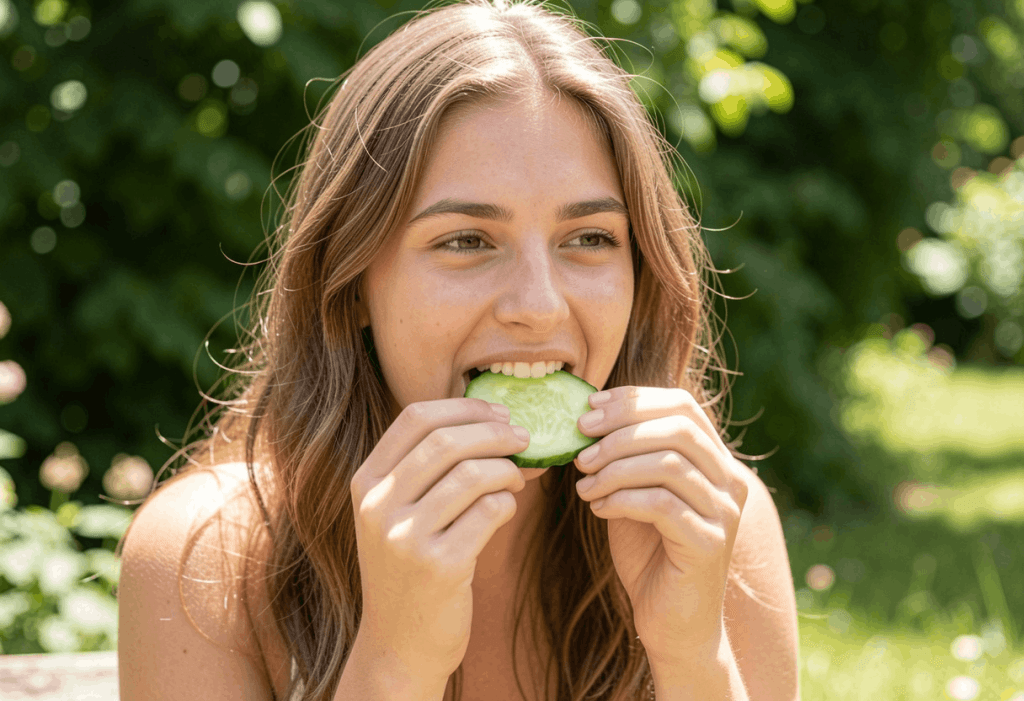
Cucumbers are remarkably hydrating and taste great in so many ways. You can enjoy them sliced in salads, diced in chilled soups, or simply raw with a sprinkle of salt. They also contain nutrients like vitamin K and potassium, making them a healthy addition to any summer meal.
3. Berries
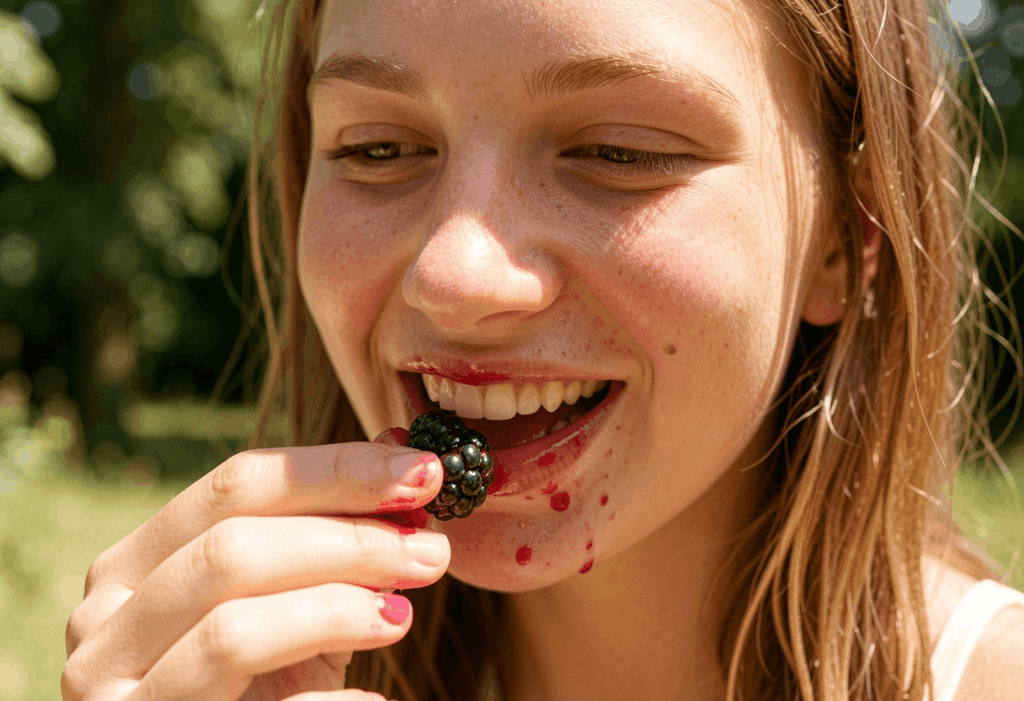
Strawberries, blueberries, and raspberries are packed with flavor and essential nutrients like vitamin C and fiber. They also contain antioxidants, which are compounds that can help protect your cells from oxidative stress. Add berries to yogurt, sprinkle them on oatmeal, or simply enjoy them by the handful.
4. Leafy Greens
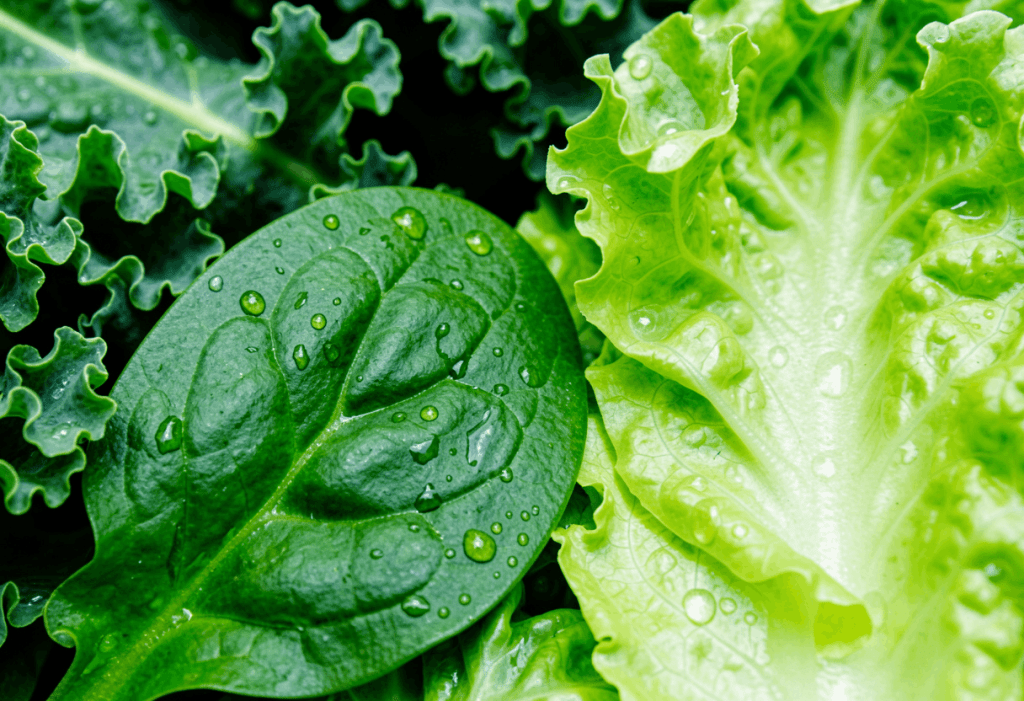
Leafy greens like spinach, kale, and romaine are rich in water and essential vitamins, making them a light and refreshing choice for hot summer days. They are perfect as a salad base, wrapped around fillings, or tossed into bowls. They bring brightness and nutrition to any summer meal.
5. Tomatoes

Summer tomatoes are juicier and more flavorful than ever. They offer vitamin C, potassium, and the antioxidant lycopene, supporting your skin when you’re out in the sun. Use fresh tomatoes in salads, sandwiches, salsas, or roast them for a new spin.
6. Yogurt

A bowl of chilled Greek or low-fat yogurt makes for a wonderful summer snack. Yogurt is a great source of protein, calcium, and gut-friendly probiotics. Top with berries and a sprinkle of granola for breakfast, or swap out dips and dressings with plain Greek yogurt to add a creamy touch to meals.
7. Zucchini
This summer squash is light, easy to digest, and brimming with water. Enjoy it grilled, roasted, or spiralized as “zoodles.” Zucchini’s crunch pairs well with fresh herbs or dressings, and it’s easy to add to stir-fries or salads.
8. Citrus Fruits
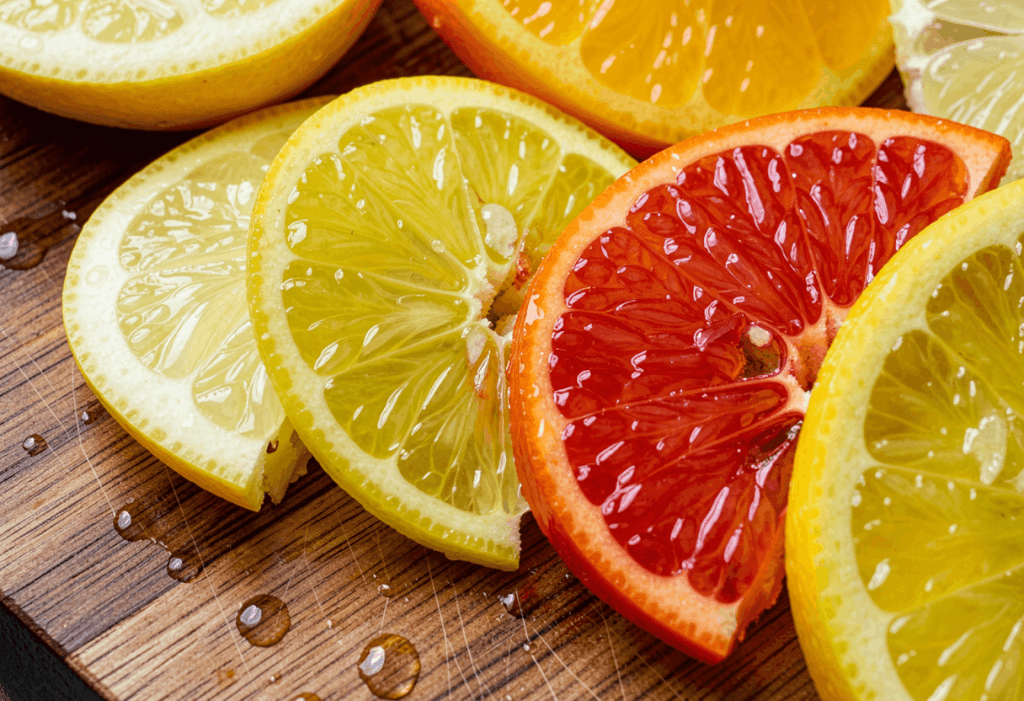
Oranges, lemons, limes, and grapefruits add a burst of sunshine to your meals. Citrus fruits are rich in vitamin C, which is an important antioxidant that supports your immune system and skin health. Their bright, hydrating juice can replenish fluids and electrolytes lost through sweat. Citrus fruits also add flavor and tanginess to dishes, making them a versatile ingredient in both savory and sweet recipes.
9. Corn
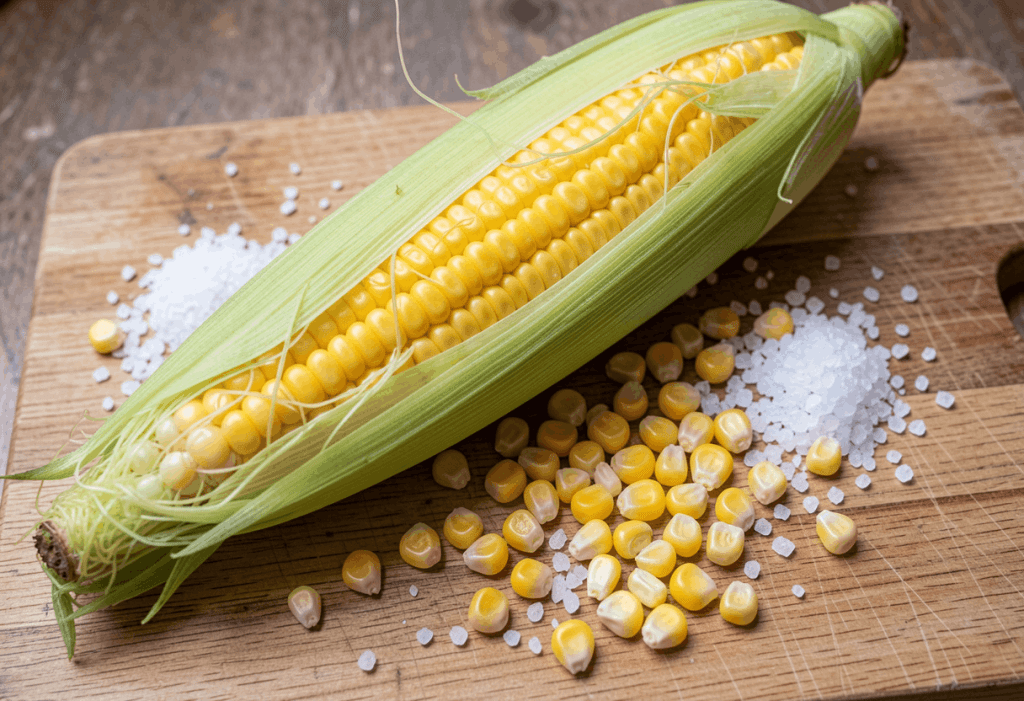
Sweet corn is a summer classic. It’s naturally gluten-free and offers fiber, B vitamins, and that beloved flavor. Grill corn on the cob, mix the kernels into fresh salsas, or toss them into salads.
10. Mint
This refreshing herb brings more than just a pleasant aroma to your dishes. Its cooling flavor makes it a perfect addition to summer foods and drinks. Mix chopped mint into fruit salads, yogurt, or add it to your water. Blend it into smoothies or mix it with herbs and oil to make a flavorful marinade.
Easy and Nourishing Summer Recipes
Now that you know which ingredients shine in summer, here are a few simple recipes you can put together right away:
- Watermelon Mint Salad: Cube watermelon, toss with chopped mint, and add a splash of lime juice.
- Berry Yogurt Parfait: Layer thick yogurt with fresh berries and a drizzle of honey for a refreshing snack.
- Grilled Veggie Skewers: Alternate zucchini, cherry tomatoes, and corn on skewers, brush with olive oil, and grill lightly.
- Citrus Spinach Salad: Combine baby spinach, orange slices, strawberries, and a sprinkle of nuts for a crisp, cooling meal.
Each dish uses foods high in water and nutrients, making them not only easy to prepare but also perfect for hot days.
Building a Balanced Plate
To get the most out of your summer meals, balance is key. Go beyond fruits and vegetables and add:
- Whole grains: like quinoa, bulgur, or brown rice, which offer fiber and help you stay satisfied.
- Lean proteins: Including options like grilled chicken, fish, beans, or tofu. They help with muscle recovery and keep you feeling full longer.
- Healthy fats: Adding a bit of avocado or a drizzle of olive oil can add flavour and help your body absorb important vitamins.
Mixing these elements ensures you’re not only eating for hydration but also meeting all your body’s needs, supporting steady energy, and savoring meals you love.
Smart Summer Snacking
Healthy snacking can help you avoid energy crashes and make nutritious choices more convenient. Try these ideas throughout the day:
- Freeze grapes or cubes of melon as a sweet, cold snack.
- Keep sliced vegetables and hummus in the fridge for a quick and easy snack.
- A bowl of mixed fruit or cherry tomatoes on the counter makes healthy choices visible and easy.
Choosing snacks that are both hydrating and satisfying makes it easier to keep up good habits, even on busy days.
Lifestyle Tips for Beating the Heat
Staying healthy in the summer isn’t just about what you eat. Consider these habits to thrive during the year’s hottest months:
- Stick to shaded areas when outdoors and choose light, breathable clothing.
- Move your exercise to the cooler hours—early morning or late evening is best.
- Keep your home cool with fans or air conditioning to create a more comfortable indoor environment.
- Take breaks and rest during the hottest parts of the day to protect your energy.
Combining good nutrition with these lifestyle strategies creates a well-rounded approach to summer wellness.
My Experience
Every summer, I pay closer attention to how my body feels and what I eat. I used to grab whatever was fast, but heavier foods left me sluggish and sometimes even more thirsty. Over time, adding more fruit, salads, and easy-to-digest meals made a noticeable difference. I felt lighter and more active.
One habit that’s changed everything for me is keeping a water bottle close and infusing the water with fresh lemon or mint. I also prep healthy snacks at the start of the week—small things like pre-cut veggies or melon slices make it easy to eat well, especially when I’m busy.
I’ve learned it’s about small, steady improvements rather than perfection. Each season brings new foods and habits to discover, and these changes really do add up.
Conclusion
Eating the right foods in summer provides lasting hydration, nourishment, and comfort. Simple actions like choosing fruits and veggies, drinking enough water, and making balanced choices can make a huge difference in how you feel each day. Focusing on water-rich foods is one of the best ways to stay healthy in the heat, a tip many nutrition experts recommend.
Don’t worry about being perfect. The goal is to support your well-being with practical steps and enjoy every meal. There’s always room to experiment with new foods and recipes until you find what feels best for your body.
Frequently Asked Questions
What are the best foods to eat in summer for hydration?
Some of the best hydrating foods are watermelon, cucumber, oranges, and strawberries. These options are not only refreshing but also easy to add to meals or snacks.
How can I maintain energy levels during hot weather?
To keep your energy levels steady, focus on light, nutrient-rich meals with fresh fruits, vegetables, and lean protein. It’s best to limit heavy or fried foods, which can feel too rich in the heat.
Are there specific recipes for summer wellness?
Absolutely! Try fruit salads, smoothies, grilled vegetables, or chilled soups. These recipes are simple, use seasonal produce, and help your body stay cool and nourished.
Why does staying hydrated matter so much in summer?
During these warmer months, your body works harder to regulate its internal temperature and stay cool. This process requires an adequate amount of water to function properly. When you’re not drinking enough water, you may experience fatigue, headaches, dizziness, and other symptoms of dehydration.
Can I include herbal teas in my summer diet?
Yes, you can. Herbal teas like peppermint or chamomile are great served cold and can be soothing in the heat. Just go easy on caffeinated beverages, as they can be dehydrating.
How can you stay active when it’s hot outside?
When it’s hot outside, it’s best to exercise during the cooler parts of the day, such as early in the morning or later in the evening. Alternatively, choose indoor workouts or water-based activities that help you stay active safely.

Ava Mitchell writes for healthyscope.net, focusing on seasonal health tips. Her articles offer practical advice to help readers stay healthy and feel their best throughout the year. Ava covers topics like allergies, colds, seasonal wellness, and skincare, making healthy living simple and accessible for everyone.