
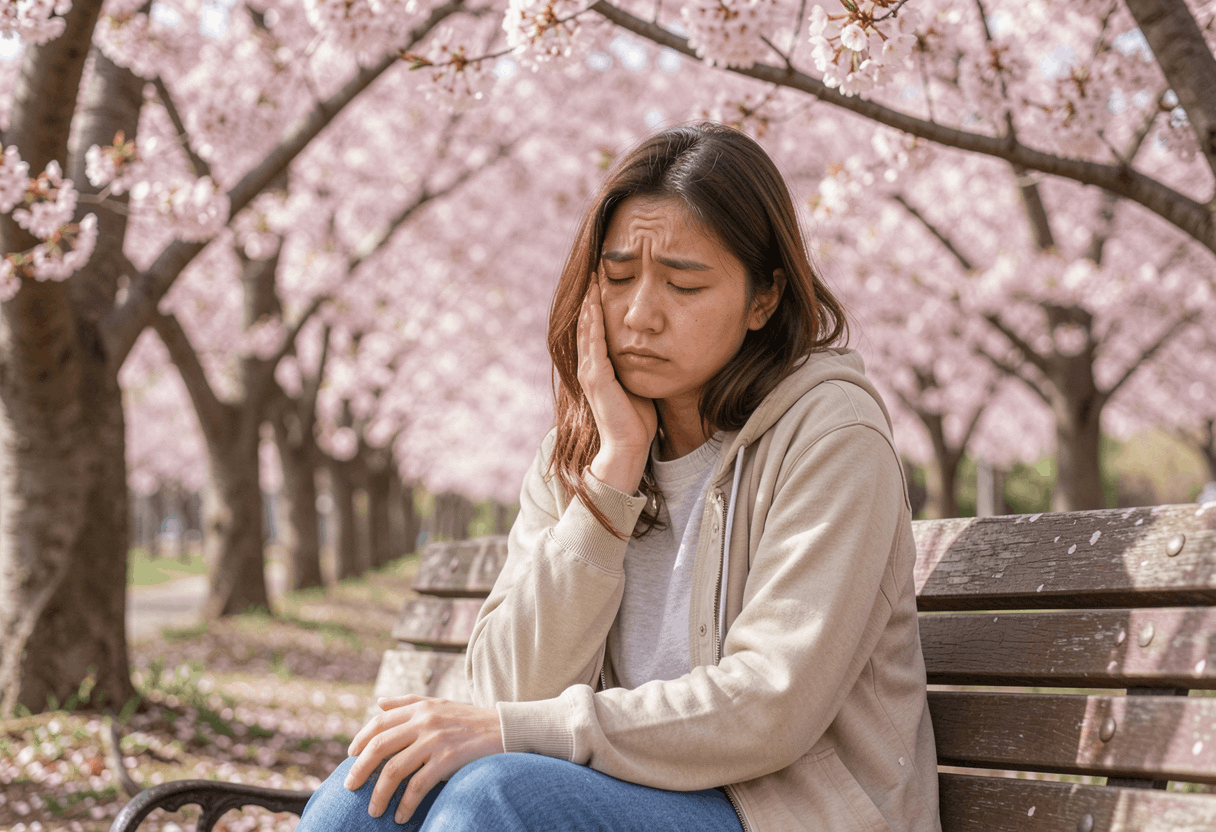
Do you find yourself more tired than usual as spring approaches? This feeling is often called spring fatigue, and it is a common experience. Many people feel low on energy in spring, but why does this happen?
There are several reasons why people may feel tired during this time of year. In this article, I will explain the science behind spring fatigue, the most common causes, and simple ways to feel better naturally.
What Is Spring Fatigue?
Spring fatigue is a term people use when they feel sleepy, sluggish, or less motivated during the shift from winter to spring. Even though spring is linked with sunshine, fresh air, and new beginnings, the body still needs time to adjust.
This change does not happen only in your mind. In fact, your sleep pattern, body clock, hormone balance, and daily routine can all shift during seasonal changes. As a result, you may feel tired even when the weather seems pleasant.
For many people, this feeling lasts a few days. For others, it may continue for a few weeks. Usually, it improves as the body gets used to the new season.
Why Do People Feel Tired in Spring?
If you have ever wondered why people feel tired in spring, the answer is not just one thing. Instead, it’s often a combination of physiological and lifestyle adjustments.
Let’s look at the most common reasons.
1. Your Body Clock Is Adjusting
One major reason people feel tired in spring is a shift in the body’s internal clock. This clock is also called the circadian rhythm. It helps control when you feel awake and when you feel sleepy.
During winter, many people spend more time indoors and get less natural light. Then spring arrives, and daylight starts to increase. While more sunlight is good for health, your body may need time to adapt.
As daylight changes, the brain adjusts how it manages sleep and alertness. This adjustment can leave you feeling unusually sleepy in the morning or low on energy throughout the day.
2. Melatonin Levels Can Change
This hormone signals to your body that it’s time to wind down and get ready for sleep. It usually rises when it gets dark and drops when it gets light.
In winter, longer nights may support higher melatonin production. Then, when spring brings earlier sunrises and brighter evenings, melatonin patterns can shift. As a result, your sleep may feel lighter or less refreshing for a short time.
So, even if you sleep for the same number of hours, your rest may not feel as deep. That is one reason why spring tiredness can catch people by surprise.
3. Daylight Saving Time Can Disrupt Sleep
In many places, spring includes a clock change due to daylight saving time. Even losing just one hour can affect sleep, mood, and focus.
This may seem small. However, the body often notices even a minor change in sleep timing. Some people adjust in a day or two, while others need longer.
Because of that, people may feel groggy, unfocused, or less productive for several days after the clock change. If you were already low on sleep, the effect may feel even stronger.
4. Seasonal Allergies Can Drain Energy
Spring allergies are another common reason people feel tired. As spring begins, trees, grasses, and weeds start to release pollen. For people with seasonal allergies, this can lead to sneezing, itchy eyes, congestion, and poor sleep.
However, tiredness is also a major symptom. When the body reacts to allergens, it releases chemicals such as histamine. These chemicals can leave you feeling worn out.
In addition, a blocked nose or nighttime coughing can interrupt sleep. So, even if you go to bed on time, you may still wake up feeling exhausted.
Must Read: Top 9 Spring Allergy Prevention Tips for a Healthier Season
5. Winter Habits Can Carry Into Spring
During winter, it’s common to move less, eat heavier meals, and spend less time outdoors. These habits are understandable. Cold weather often changes the way we live.
Still, when spring begins, the body may not instantly bounce back. If your routine still includes little movement, irregular sleep, or too much screen time at night, your energy may stay low.
That is why spring can feel tiring at first. Your surroundings may change faster than your habits do.
6. Low Vitamin Levels May Play a Role
After winter, some people may have lower levels of important nutrients, especially vitamin D. This vitamin is linked to sunlight exposure, and many people get less sun during the colder months.
Low vitamin D levels may be linked with fatigue, low mood, and reduced energy in some people. Iron, vitamin B12, and magnesium also play a part in how energetic you feel.
Of course, not everyone with spring tiredness has a nutrient issue. Still, it can be one possible reason, especially if tiredness has lasted for a long time.
7. Mood Changes Can Affect Energy
Spring can improve the mood for many people. However, not everyone feels better right away. Seasonal transitions can affect emotions, motivation, and stress levels.
Some people feel mentally drained when routines change. Others may feel pressure to become more active and productive as the weather improves. While this may not seem serious, mental stress can affect sleep and energy.
So, when asking why people feel tired in spring, it helps to think about emotional health too, not just physical causes.
Common Signs of Spring Fatigue
Spring tiredness can look different from person to person. Still, some signs are very common.
You may notice:
- Feeling sleepy during the day
- Trouble waking up in the morning
- Low motivation
- Mild headaches
- Slower focus
- Irritability
- A heavy or sluggish feeling
- Less interest in daily tasks
Usually, these symptoms are mild and temporary. However, if they become intense or last too long, it may be wise to look deeper.
Is Spring Fatigue Normal?
Yes, mild spring fatigue is usually normal. Seasonal transitions can affect sleep, hormones, energy, and routine. Therefore, it is not unusual to feel a bit off for a short time.
At the same time, ongoing tiredness should not be ignored. If your fatigue is severe, lasts more than a few weeks, or comes with other symptoms such as dizziness, low mood, fever, or unexplained pain, it is a good idea to speak with a healthcare professional.
In other words, short-term spring tiredness may be harmless, but long-term fatigue deserves attention.
How to Feel More Energetic in Spring
The good news is that spring fatigue often improves with simple daily habits. You do not always need a major life change. In many cases, small steps help a lot.
Here are practical ways to support your energy naturally.
1. Get Morning Sunlight
Try to get outside in the morning, even for 10 to 20 minutes. Natural light helps reset your body clock and supports healthy sleep-wake patterns.
If possible, open your curtains early, take a short walk, or sit near a bright window. Morning light can help you feel more awake during the day and sleep better at night.
2. Keep a Regular Sleep Schedule
Go to bed and wake up at about the same time each day. This helps your body stay in rhythm.
Even on weekends, try not to shift your sleep too much. A steady schedule makes it easier for the brain and body to adjust to seasonal changes.
Also, aim for a calm evening routine. Dim lights, reduce screen time before bed, and give yourself time to wind down.
3. Move Your Body Daily
You do not need hard exercise to feel better. Even light movement can help boost energy.
For example, you can:
- Walk after meals
- Stretch in the morning
- Ride a bike
- Do a short home workout
- Spend time gardening
Physical activity supports circulation, mood, and sleep. As a result, it often helps reduce that heavy spring feeling.
4. Drink Enough Water
Some people feel more tired simply because they are mildly dehydrated. As the weather warms up, the body may need more fluids.
Try to drink water regularly throughout the day, even before you feel thirsty. Herbal teas, water-rich fruits, and simple soups can also help. While caffeine may give a short boost, too much of it can disturb sleep later.
So, balance is important.
5. Eat Lighter, Balanced Meals
In spring, many people start craving fresher foods. That can work in your favor.
Try meals that include:
- Fruits and vegetables
- Whole grains
- Eggs, beans, fish, or lean protein
- Nuts and seeds
- Yogurt or other simple dairy options if they suit you
Heavy, overly sugary meals can sometimes make you feel even more sluggish. On the other hand, balanced meals help keep energy steady through the day.
6. Manage Allergies Early
If seasonal allergies affect you, early care can make a big difference. Check pollen forecasts in your area. Keep windows closed on high-pollen days if needed. Change clothes after spending time outdoors, and wash your face before bed.
If symptoms are frequent, a pharmacist or doctor may guide you toward the right treatment. When allergy symptoms improve, sleep often improves too.
7. Check Your Daily Routine
Sometimes, spring fatigue is a sign that your routine needs a reset.
Ask yourself:
- Am I sleeping enough?
- Am I moving my body each day?
- Am I staying up too late?
- Am I spending enough time outdoors?
- Am I eating regular meals?
These simple questions can reveal habits that quietly drain your energy.
8. Give Your Body Time
One of the most helpful things you can do is be patient. Seasonal changes take time. If winter habits were slower and more indoor-focused, your body may need a gentle transition into spring.
Rather than forcing yourself to do everything at once, make one or two small improvements first. Then build from there.
This approach is easier to follow and more sustainable in daily life.
A Simple Comparison Table: Winter vs Spring Changes
| Area | Winter Pattern | Spring Change |
|---|---|---|
| Daylight | Shorter days | Longer days |
| Sleep rhythm | More darkness may affect melatonin longer | Body clock starts adjusting to more light |
| Activity level | Often lower | Usually starts to increase |
| Allergies | Less pollen for many people | More pollen in the air |
| Mood and energy | Slower routines are common | Adjustment period may cause fatigue |
Who May Feel Spring Fatigue More Strongly?
Although anyone can feel tired in spring, some people may notice it more than others.
This may include:
- People with seasonal allergies
- Shift workers
- Students during stressful months
- Parents with broken sleep
- Older adults
- People with low physical activity
- Those already dealing with poor sleep habits
If you fall into one of these categories, it doesn’t mean something is seriously wrong. It simply means some bodies are more sensitive to seasonal shifts.
When Tiredness May Be Caused by Something Else
It is easy to blame the season for fatigue. Still, sometimes the real cause is something different.
For example, ongoing tiredness may be linked with:
- Poor sleep quality
- Stress
- Low iron
- Vitamin deficiencies
- Thyroid issues
- Depression or anxiety
- Recovery from illness
If your tiredness feels strong, unusual, or long-lasting, it is best not to guess. A proper medical check can help rule out other causes.
Can Spring Fatigue Be Prevented?
You may not prevent it fully every year, but you can reduce the chances of feeling drained.
A few smart habits can help:
- Start adjusting sleep before daylight saving time
- Spend more time outdoors as winter ends
- Clean your room well if allergies affect you
- Refresh your meals with simple seasonal foods
- Reduce late-night screen use
- Build back movement slowly
These habits support a smoother seasonal transition. Over time, your body may adjust more easily.
Bottom Line
If you have been wondering why people feel tired in spring, the answer usually comes down to seasonal adjustment. Longer daylight, sleep changes, allergy symptoms, winter habits, and low nutrient levels can all play a part.
The good news is that this springtime feeling doesn’t last forever. In most cases, your energy improves as your body adapts. Meanwhile, simple habits such as getting morning light, sleeping on a regular schedule, moving daily, eating balanced meals, and managing allergies can help a lot.
Most importantly, pay attention to your body. Mild tiredness in spring is common. However, if fatigue becomes ongoing or starts affecting daily life, it is smart to seek proper advice.
Spring is a season of change. So, if your energy feels a little slow at first, you are not alone. Give yourself time, support your body with healthy habits, and let the season settle in naturally.
Frequently Asked Questions
Is it normal to feel sleepy in spring?
Yes, it can be normal. Seasonal changes can affect your body clock, sleep quality, and energy levels. For many people, this improves within a few days or weeks.
Why do allergies make me tired in spring?
Allergies can trigger chemicals in the body that lead to fatigue. In addition, symptoms like congestion and sneezing can disturb sleep, which may leave you feeling more tired.
How long does spring fatigue last?
It varies. Some people feel off for only a few days, while others may notice it for a few weeks. Usually, it improves as the body adjusts to the season.
Can low vitamin D cause tiredness in spring?
It may play a role for some people, especially after winter when sunlight exposure has been lower. If tiredness continues, a healthcare professional can help check for possible nutrient issues.
What helps with spring fatigue naturally?
Morning sunlight, regular sleep, light exercise, enough water, balanced meals, and allergy management can all help support better energy naturally.
You may also like: Top 10 Best Foods to Eat in Summer for a Healthy Lifestyle

Ava Mitchell writes for healthyscope.net, focusing on seasonal health tips. Her articles offer practical advice to help readers stay healthy and feel their best throughout the year. Ava covers topics like allergies, colds, seasonal wellness, and skincare, making healthy living simple and accessible for everyone.