


Want to feel healthier and take better care of your body? Cutting back on sugar is one of the smartest places to start. Too much sugar can quietly cause a range of health problems over time. Here’s a surprising fact: According to the American Heart Association, the average American eats about 17 teaspoons of added sugar every single day.
That really is a lot. Cutting back doesn’t mean giving up sweet foods for good. There are plenty of natural ways to lower your sugar intake while still enjoying the meals and snacks you love.
In this guide, you’ll find simple, practical tips to reduce sugar without losing flavor. But first, let’s look at why limiting sugar matters so much.
You might also like: The Amazing Benefits of Drinking Herbal Teas for Your Wellness
Why Is It Important to Limit Sugar Intake?
Cutting back on sugar is one of the best things you can do for your overall health. According to registered dietitians, limiting your sugar intake is crucial for several reasons:
- Manage your weight: Sugar is high in calories but offers little nutrition, so too much can lead to weight gain.
- Steady your energy: Less sugar means fewer energy spikes and crashes, so you feel more balanced all day.
- Protect your teeth: Eating less sugar lowers your risk of tooth decay and cavities.
- Lower disease risk: Reducing sugar can cut your chances of developing type 2 diabetes and other long-term illnesses.
- Support clearer skin: A high-sugar diet can trigger breakouts and speed up signs of aging.
- Strengthen your immune system: Less sugar helps your body fight off illness more effectively.
- Care for your heart: Eating less sugar may lower your risk of heart disease and stroke.
These are just some of the benefits. Now that you know why it’s worth the effort, let’s get into the practical tips.
Simple Tips to Reduce Sugar in Your Diet Naturally
1. Read Labels Carefully
The first step is to get familiar with food labels. It takes a little extra time at the store, but it pays off. Watch for hidden sugars in processed foods, such as high fructose corn syrup, dextrose, and sucralose.
These sneak into products you’d never suspect, like canned soups and salad dressings. Whenever you can, pick items with no added sugar or choose whole, unprocessed foods instead.
2. Swap Out Sugary Drinks

Soda, fruit juice, and sports drinks are some of the biggest sources of added sugar. Swapping these for water or unsweetened tea can significantly reduce your daily sugar intake.
Craving something with flavor? Add berries or citrus slices to your water for a refreshing twist. You can also mix unsweetened sparkling water with a small splash of fruit juice.
This simple change adds up fast. After a while, you may find that sugary drinks start to taste too sweet.
3. Choose Whole Fruits Over Sweets
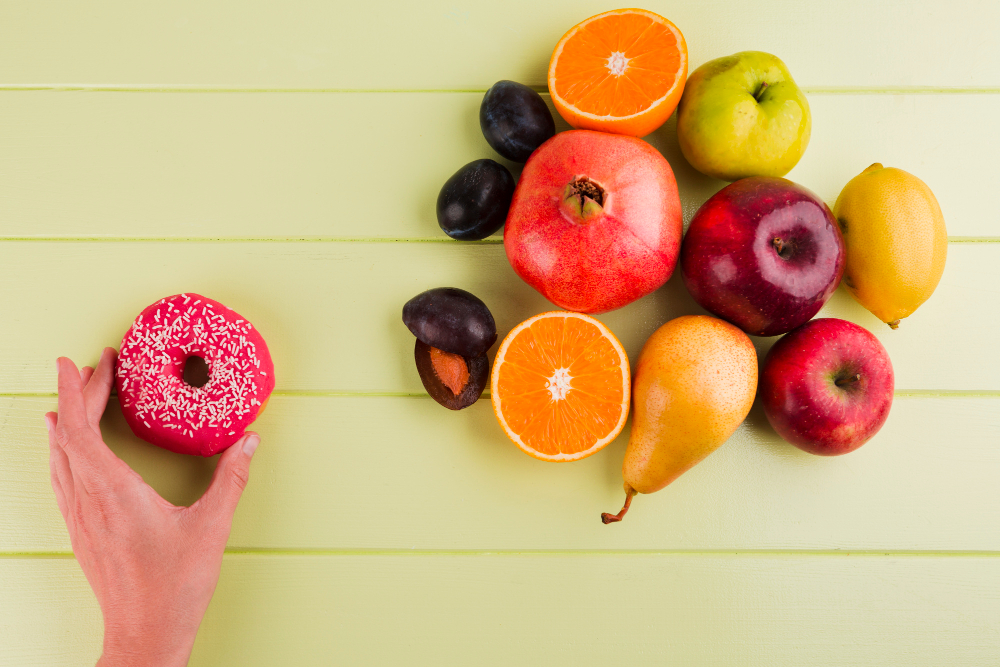
Many people want something sweet after a meal or in the afternoon. Instead of reaching for candy or cookies, try whole fruits like apples, bananas, or oranges. They satisfy your sweet tooth while giving your body helpful nutrients.
They’re also lower in sugar and calories than most treats. For example:
A medium apple has about 95 calories and 19 grams of natural sugar, while a small candy bar can pack over 200 calories and around 30 grams of sugar.
This small swap lets you enjoy something sweet without the extra sugar and calories.
4. Cook More at Home

Cooking at home is one of the best ways to cut back on sugar, because you control exactly what goes into your food. When you prepare your own meals, you can pick healthier ingredients and skip unnecessary added sugar.
It also helps you avoid the hidden sugars in many restaurant dishes and packaged foods. Here’s how home cooking helps:
- Use natural sweeteners: Swap processed sugar for options like dates, stevia, honey, or maple syrup in your cooking and baking.
- Control the amount: You decide exactly how much sugar goes into each dish.
- Find healthier swaps: Try mashed bananas or applesauce in place of sugar in baked goods for natural sweetness.
5. Cut Back Gradually
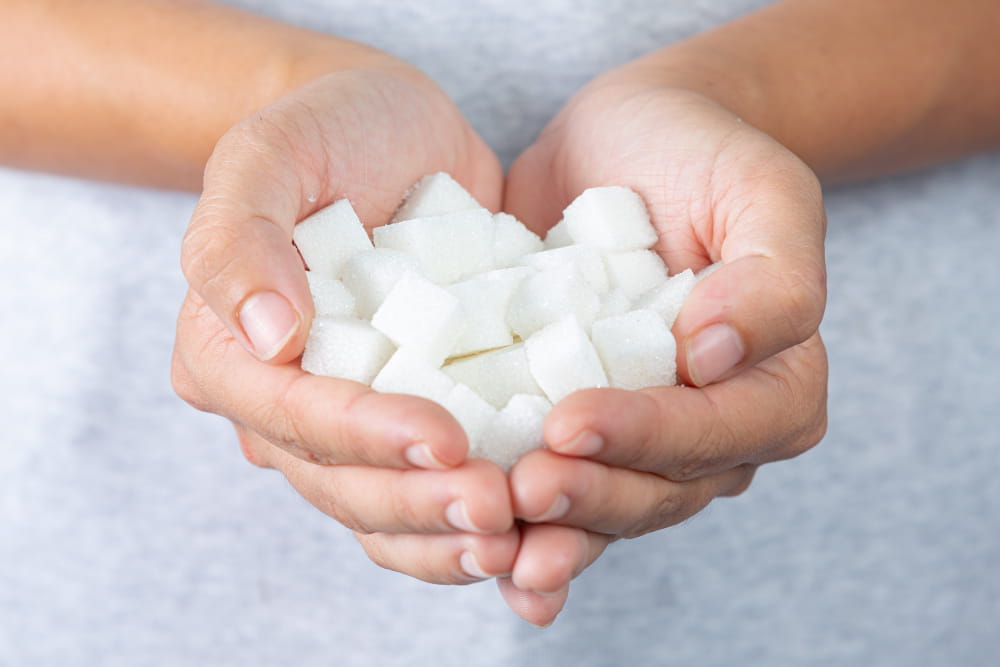
If you’re used to sweet flavors, going cold turkey can feel tough. Instead, lower your sugar little by little. Add a bit less to your coffee or tea each day, and slowly reduce the sugar in your baked goods.
This gentle approach lets your taste buds adjust so you don’t feel deprived. Before long, you may notice you simply don’t crave as much sugar.
6. Watch Sauces and Condiments

Sauces and condiments are another sneaky source of sugar. Think ketchup, salad dressings, barbecue sauce, and even soy sauce.
While shopping, take a moment to check the labels and pick options with little or no added sugar. This small habit helps you avoid the hidden sugars that pile up through the day.
It also helps to make your own sauces at home using fresh ingredients like herbs, spices, and olive oil.
7. Snack Smart
Snacking is part of most people’s day, but many popular snacks are loaded with sugar. Reach for fresh fruit, unsalted nuts, plain yogurt, or veggie sticks with hummus instead. These choices fill you up and give you steady energy.
If you want something sweet, try dried fruit, seeds, or a small square of dark chocolate. Keep these on hand so you won’t be tempted by cookies or candy when hunger strikes.
8. Get Enough Sleep and Manage Stress
Do you crave sugary foods when you’re tired or stressed? Sleep and stress play a bigger role in cravings than most people realize.
When you don’t get enough sleep, it throws off the hormones that control hunger and cravings. That can leave you reaching for sweet, high-fat foods. Getting quality rest can naturally lower your sugar cravings.
My Experience Reducing Sugar Naturally
When I first decided to cut back on sugar, I started small. I quickly learned that trying to quit all at once wasn’t realistic and only made my cravings stronger.
So instead of cutting sugar completely, I focused on adding more whole, unprocessed foods. That meant colorful fruits, plenty of vegetables, fiber-rich whole grains, and healthy sources of protein.
These foods kept me full and energized while providing the nutrients my body needed. I also paid closer attention to my snacks. Now, when I want something sweet, I grab a piece of fruit or a handful of nuts and seeds.
Conclusion
Cutting back on sugar doesn’t mean giving up the foods you love. It’s about making smarter choices, one day at a time. Start simple by reading labels to spot hidden sugars.
Cooking at home also gives you control over how much sugar ends up on your plate. With mindful choices and a little patience, you can take real steps toward better health.
You may also like: Simple Ways to Reduce Bloating for Beginners
Frequently Asked Questions
Is it okay to eat some sugar?
Yes, enjoying sweet foods now and then is perfectly fine. The key is moderation. Focus on natural sources like fruits and vegetables instead of processed or refined sugars.
What are some hidden sources of sugar?
Sugar hides in many foods that don’t even taste sweet. Common culprits include:
- Salad dressings
- Pasta sauces
- Flavored yogurts
- Breakfast cereals
- Granola bars
- Even whole wheat bread
How can I satisfy my sweet tooth without overloading on sugar?
Reach for naturally sweet foods like fruit or a little honey instead of processed treats. You can also try natural sweeteners like stevia or monk fruit in your foods and drinks.
How quickly can I reduce my sugar cravings?
Most people notice fewer cravings after about 2 to 4 weeks of eating less sugar, though everyone’s experience is a little different.
Any tips for dining out while cutting back on sugar?
Choose grilled or roasted dishes over glazed or fried ones. These cooking methods use less added sugar and still taste great.

Mia Collins shares easy, practical ways to help you enjoy a happier, healthier life. She’s passionate about health and wellness and loves turning big ideas into simple steps you can use every day.
Mia Collins believes that true health and wellness are achievable for everyone, regardless of their age or current lifestyle. That’s why she strives to provide accessible and practical advice that anyone can incorporate into their daily routine.