

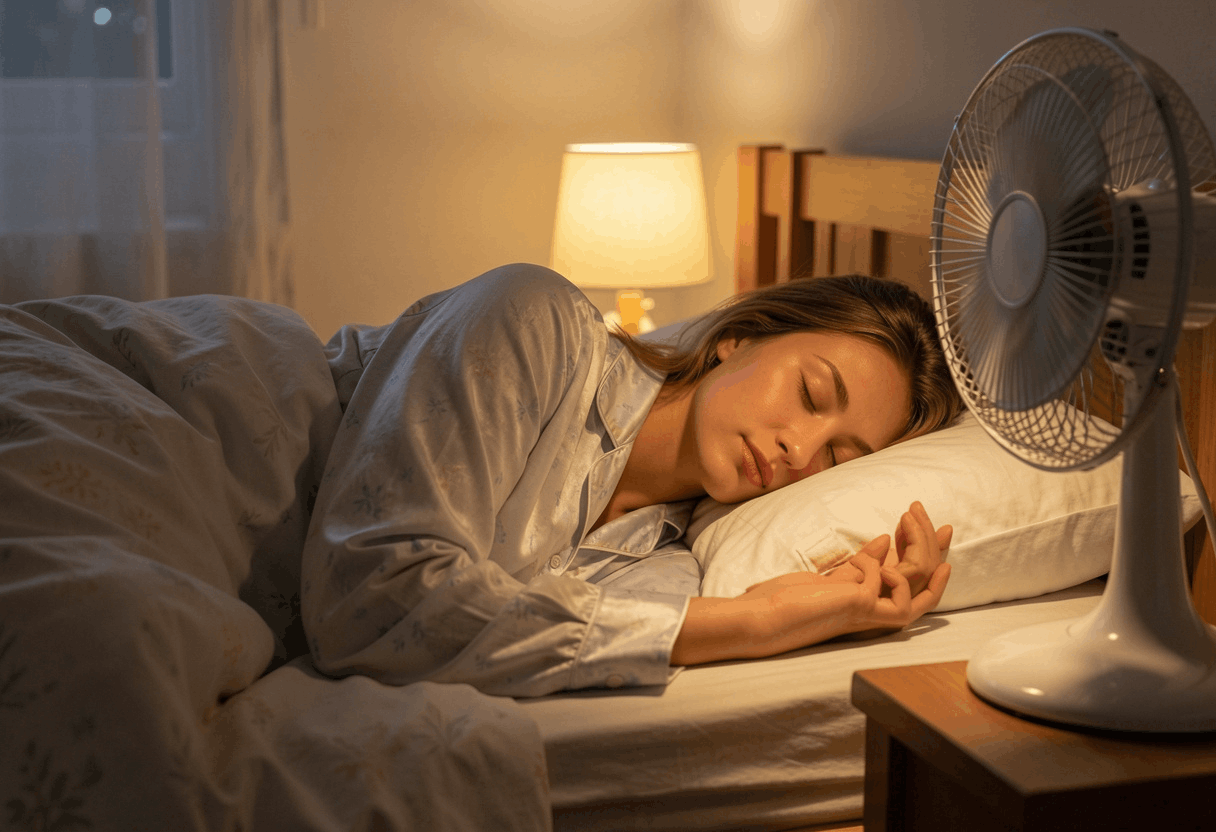
Are you finding it hard to get a good night’s sleep during the summer months? Many people struggle with sleep as temperatures rise and daylight hours extend.
Fortunately, a few simple changes can help you sleep better and wake up feeling more refreshed. Yes, you can still enjoy the summer without sacrificing quality sleep. But first, let’s understand why it is important to prioritize sleep during summer.
Related Reading: 7 Common Habits That Are Ruining Your Sleep
Why Summer Affects Your Sleep and How to Adjust
During the summer, sleep can be affected for several reasons. First, warmer nights can make it harder for your body to cool down. This matters because your body naturally lowers its temperature before sleep. If your room stays too warm, you may toss and turn, wake up more often, or find it difficult to fall asleep at all.
In addition, longer daylight hours can affect your internal body clock, also called your circadian rhythm. As a result, you may not feel sleepy at your usual bedtime.
At the same time, summer often brings changes in routine. For example, you might stay out later, travel more, attend social events, or spend extra time on screens at night. While these activities can be enjoyable, they can also make sleep less consistent. Therefore, healthy habits become even more important during this season.
Why Good Sleep Matters in Summer
Sleep matters all year, but summer can create challenges that quietly reduce sleep quality. When you do not sleep well, it can affect your mood, focus, energy, and even the choices you make during the day. For instance, poor sleep may leave you feeling irritable, less patient, and more likely to reach for sugary snacks or extra caffeine. Over time, this can create a cycle that makes quality rest even harder.
On the other hand, good sleep supports your overall well-being. It helps your body recover, supports brain function, and gives you the energy you need for work, school, family time, and healthy daily habits. So, if you want to enjoy summer more fully, improving your sleep is a smart place to begin.
Common Reasons People Sleep Worse in Summer
Before looking at solutions, it helps to understand what may be causing the problem. In many cases, summer sleep troubles come from a few common triggers.
1. Hot and humid weather
This is one of the main reasons people sleep worse during summer. When your room is warm and humid, your body has to work harder to lower its core temperature, making it difficult to fall into a deep, restful sleep. This can lead to lighter, more fragmented sleep, even with a fan running.
2. Longer daylight hours
More evening sunlight can delay the release of melatonin, the hormone that signals it is time to sleep.
3. Irregular schedules
Summer vacations, social plans, and late-night activities can shift your bedtime and wake-up time.
4. More noise outside
Open windows, neighborhood activity, traffic, or the sound of fans can make it harder to stay asleep.
5. Late meals and drinks
Cold treats, heavy dinners, caffeine, or alcohol later in the evening may reduce sleep quality.
The good news, however, is that many of these issues can be improved with a few simple changes.
Practical Tips to Sleep Better During Summer
If summer is ruining your rest, do not worry. You can significantly improve your sleep quality with a few simple adjustments to your routine and environment. Here are practical, natural ways to sleep better during the warmer months.
Keep Your Bedroom Cool
A cool room usually supports better sleep. While you may not be able to control the weather outside, you can create a more sleep-friendly space indoors.
For example, try closing curtains or blinds during the hottest part of the day. This can help block heat from building up in your room. Then, in the evening, open the windows if the air outside is cooler. If you use a fan, place it where it can improve airflow across the room. Some people also find it helpful to place a bowl of ice in front of a fan for short-term cooling.
If you have air conditioning, set it to a comfortable temperature that feels cool but not too cold. In general, a slightly cool room feels better for sleep than a warm one. Also, choose lightweight bedding and breathable sheets, such as cotton, to stay more comfortable on hot nights.
Take a Cool or Lukewarm Shower Before Bed
Many people assume a very cold shower is best in summer. However, a cool or lukewarm shower is often a better choice before bed. It can help you feel refreshed without shocking your system. As your body cools down afterward, you may feel more relaxed and ready for sleep.
Even washing your face and feet with cool water can help if you do not want a full shower. Likewise, using a cool washcloth on your neck or wrists may bring relief on especially warm nights.
Stick to a Consistent Sleep Schedule
During the summer, it can be tempting to stay up late and sleep in. Still, your body works best with regular sleep and wake times. So, try to go to bed and wake up at about the same time each day, even on weekends.
This habit helps train your internal clock. As a result, you may find it easier to feel sleepy at night and more alert in the morning. If your schedule has already shifted, try to adjust it gradually rather than all at once.
Reduce Evening Light Exposure
Because the sun sets later in summer, your brain may stay in “day mode” longer than usual. Therefore, managing evening light can help your body prepare for rest.
Try dimming the lights in your home about an hour before you plan to go to sleep. In addition, reduce screen time from phones, tablets, computers, and TVs when possible. Bright screens can trick your brain into thinking it’s still daytime, making it harder to fall asleep. If you must use a device, lower the brightness or turn on night mode.
Blackout curtains can also help, especially if your bedroom stays bright in the evening or gets early morning sunlight. In the same way, a sleep mask can be a simple and useful option if light often wakes you up.
Choose Light Evening Meals
The food you eat in the evening can have a significant impact on your sleep quality. In summer, heavy or spicy meals may leave you feeling too full or too warm. Instead, try eating a lighter dinner in the evening, especially if bedtime is close.
For example, meals with vegetables, whole grains, lean protein, or yogurt-based foods may feel easier on the body than greasy or rich meals. Additionally, avoid eating right before you go to bed. Giving your body time to digest before sleep may help you feel more comfortable.
At the same time, do not go to bed overly hungry. If needed, a small bedtime snack such as fruit, yogurt, or a few nuts may be enough.
Must Read: 5 Best Foods that Help you Sleep Better at Night Naturally
Stay Hydrated, But Be Mindful
Summer heat can increase sweating, so staying hydrated is important. However, drinking a lot of water right before bed may cause you to wake up during the night to use the bathroom.
So, try to drink enough water throughout the day instead of waiting until late evening. Then, cut back on large drinks close to bedtime. This balance can help you stay hydrated without disturbing your sleep.
Also, be careful with caffeine in the afternoon and evening. Iced coffee, energy drinks, and some sodas may seem refreshing, but they can stay in your system for hours. If you are sensitive to caffeine, it may help to stop drinking it earlier in the day.
Create a Calming Night Routine
A relaxing bedtime routine tells your body that it is time to slow down. A consistent routine is especially helpful when summer activities and schedules change.
Your routine doesn’t need to be complicated, and it’s best to choose activities that you find personally relaxing. For example, you might dim the lights, take a shower, read a few pages of a book, stretch gently, or listen to calm music. The key is to repeat simple steps regularly so your brain begins to connect them with sleep.
At the same time, try to avoid stimulating activities right before bed. Intense workouts, stressful conversations, or too much social media may keep your mind active longer than you want.
Wear Breathable Sleep Clothes
What you wear to bed matters more in summer than many people realize. Tight, heavy, or synthetic fabrics can trap heat and make you uncomfortable during the night. Instead, choose loose, breathable sleepwear made from light materials.
Some people sleep better in very light clothing, while others prefer moisture-wicking fabrics that help manage sweat. There is no one perfect option, so try what feels best for your body.
Watch Out for Late-Day Naps
If poor nighttime sleep leaves you tired, a nap may sound helpful. And sometimes, a short nap can help. According to the Sleep Foundation, long naps (over 30 minutes) or naps taken late in the day can interfere with your sleep-wake cycle, making it harder to fall asleep at night.
If you need to rest, keep naps short and earlier in the day when possible. That way, you are less likely to interfere with your normal bedtime.
Make Your Bedroom a Sleep-Friendly Space
Summer sleep often improves when your bedroom is designed for rest, not just comfort. So, take a quick look at your sleep environment and ask yourself if anything is making it harder to relax.
For instance, is the room too bright, too noisy, or too cluttered? Small changes can help. You might use blackout curtains, a white noise machine, earplugs, or simply keep the room cleaner and more organized. In many cases, a calm and simple space feels easier to sleep in.
Also, try to use your bed mainly for sleep and rest. This can help your brain connect the bed with relaxation instead of work, scrolling, or stress.
Spend Time in Natural Light During the Morning
This may sound surprising, but getting sunlight earlier in the day can help you sleep better at night. Morning light supports a healthy circadian rhythm and helps your body know when it is time to feel awake and when it is time to wind down later.
So, open your curtains after waking up, step outside for a short walk, or sit near a sunny window. Even a little natural light in the morning can support better sleep patterns over time.
Be Active, But Time It Well
Daily movement can support better sleep, including during summer. Walking, stretching, cycling, or other light exercise may help reduce stress and improve rest at night. However, timing matters.
If the weather is very hot, intense exercise late in the evening may leave you overheated and more alert. Therefore, it may be better to move earlier in the day or choose gentle activity at night, such as stretching or yoga.
Manage Stress and Racing Thoughts
Not every summer sleep problem comes from heat. Sometimes the mind is the main reason people stay awake. Travel plans, family schedules, money concerns, or work stress can keep your brain busy long after bedtime.
If that sounds familiar, try giving yourself a few quiet minutes before sleep. You might write down tomorrow’s tasks, practice deep breathing, or simply sit in silence without your phone. These habits can help shift your body and mind into a calmer state.
You do not need a perfect routine. Even a few quiet minutes each night can help.
Natural Habits That Support Better Sleep
If you want to improve sleep naturally, focus on habits rather than quick fixes. While sleep products and gadgets may help in some cases, daily choices often matter more over time.
Here are a few natural habits that support better sleep during summer:
- Keep your room cool and dark
- Follow a regular bedtime
- Limit caffeine late in the day
- Eat lighter meals in the evening
- Get morning sunlight
- Move your body daily
- Reduce screen time before bed
- Create a calm bedtime routine
These steps may seem simple, but together they can have a strong effect.
When to Seek Extra Help
Sometimes sleep problems last longer than expected or begin to seriously affect daily life. If you are sleeping poorly for weeks, waking up exhausted, or feeling extreme daytime tiredness, it may be a good idea to speak with a qualified health professional.
In addition, if you snore heavily, stop breathing during sleep, or often wake up gasping, those may be signs of a sleep-related condition that needs medical attention. Natural habits are helpful, but it is also important to know when extra support is needed.
Conclusion
Sleeping well in summer can feel difficult, especially when the nights are hot and your routine changes. Even so, better sleep is possible. By keeping your room cooler, staying consistent with your bedtime, managing light exposure, and building calming evening habits, you can support your body in a natural way.
Most importantly, start small. You do not need to change everything at once. Instead, try one or two tips first and see what works best for you. Then, build from there. Over time, these simple changes can help you rest better, feel more balanced, and enjoy the summer season with more energy.
Frequently Asked Questions
Why is it harder to sleep in summer?
It is often harder to sleep in summer because heat, humidity, longer daylight hours, and changes in routine can all affect your body’s natural sleep cycle.
What is the best room temperature for sleep in summer?
Most people sleep better in a room that feels cool rather than warm. The exact temperature can vary, but a slightly cool, comfortable room usually supports better rest.
Can drinking cold water before bed help?
Cold water may help you feel refreshed, but drinking too much right before bed can wake you during the night. It is usually better to stay hydrated throughout the day.
Do blackout curtains really help in summer?
Yes, blackout curtains can help reduce evening and early morning light, which may make it easier for your body to follow a regular sleep schedule.
What is one simple habit to start with tonight?
A great first step is to cool your bedroom and put away screens before bed. This simple change can make it easier to relax and fall asleep naturally.
You may also need: How to Create a Sleep-Friendly Environment

Noah Bennett offers helpful, easy-to-follow advice on better sleep habits. His articles are simple, practical, and designed to help you enjoy more restful nights. Noah focuses on practical tips you can use immediately to improve sleep and well-being. In his free time, he enjoys peaceful walks and reading a good book.
